cubuilt

Blog

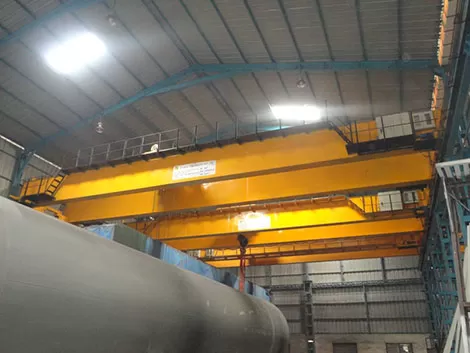
double gride eot crane
Blog

Advantages of Double Girder EOT Crane: Why It’s the Best Choice for Heavy Lifting

In industrial settings, material handling and lifting heavy loads efficiently and safely is critical for productivity. Among various crane types, the double girder EOT crane stands out as a highly reliable and versatile solution for heavy-duty lifting tasks. This blog explores the advantages of double girder EOT crane, explaining why industries prefer it over other crane models, especially when handling large loads or requiring longer spans. What is a Double Girder EOT Crane? Before diving into the advantages, let’s understand what a double girder EOT crane is. EOT stands for Electric Overhead Travelling crane, a type of overhead crane used extensively in manufacturing plants, warehouses, and construction sites. The double girder design refers to the crane having two main girders supporting the hoist, unlike a single girder crane that has only one. This structural difference plays a significant role in load capacity, stability, and operational efficiency. Top Advantages of Double Girder EOT Crane 1. Higher Load Capacity One of the primary advantages of double girder EOT crane is its ability to handle heavier loads compared to single girder cranes. The presence of two girders provides increased structural strength, allowing it to support loads of up to 40 tons or more. This makes it ideal for industries such as steel manufacturing, shipbuilding, and heavy machinery assembly where lifting large, bulky items is routine. 2. Better Stability and Safety Safety is paramount when lifting heavy materials. The double girder design offers superior stability due to better weight distribution and structural integrity. This reduces the risk of crane deflection or twisting under load, ensuring safer operation. Moreover, the robust frame can withstand vibrations and external forces, minimizing accidents and enhancing workplace safety. 3. Longer Span Coverage Double girder EOT cranes are capable of spanning wider distances, making them suitable for large factories or warehouses. The two girders provide extra rigidity, allowing the crane to cover larger spans without sagging or structural issues. This flexibility enables manufacturers to design spacious layouts without compromising lifting capabilities. 4. Enhanced Durability and Maintenance The sturdy construction of double girder EOT cranes means they are more durable and can withstand harsh industrial environments for extended periods. They typically have a longer lifespan than single girder models, reducing replacement and repair costs over time. Additionally, their modular design facilitates easier maintenance and component replacement, improving uptime and productivity. 5. Versatility in Applications Double girder EOT cranes can be customized with various hoists and trolleys, enabling them to perform different lifting tasks. Whether it’s precise lifting, heavy load transport, or high-speed operation, these cranes adapt well to varying industrial needs. This makes them an excellent investment for businesses seeking a multifunctional lifting solution. 6. Smooth and Efficient Operation Thanks to the design that supports heavier hoists and better balance, double girder cranes operate more smoothly and efficiently. The reduced vibrations and enhanced load control improve operator confidence and reduce wear and tear on components, further lowering maintenance costs and downtime. Key Industrial Uses Benefiting from Double Girder EOT Cranes Steel Plants: Handling heavy steel coils, billets, and sheets. Automobile Manufacturing: Moving large vehicle parts and assemblies. Construction: Lifting heavy equipment and building materials. Power Plants: Transporting heavy machinery components. Warehousing and Logistics: Efficiently moving bulky goods and pallets. Why Choose Double Girder EOT Crane Over Single Girder? While single girder cranes are cost-effective and suitable for lighter loads, they lack the robustness required for heavy industrial applications. The advantages of double girder EOT crane become evident when considering the need for enhanced load capacity, span, and durability. Double girder cranes offer: Superior load handling for heavy industries. Increased lifespan due to better build quality. Greater flexibility for complex material handling. Improved safety through structural stability. In short, investing in a double girder EOT crane is a strategic decision that delivers better ROI by minimizing downtime, improving safety, and boosting operational efficiency. Factors to Consider When Selecting a Double Girder EOT Crane To maximize the advantages, it’s essential to consider: Load capacity requirements: Know your maximum lifting load. Span length: Measure the distance the crane must cover. Height of lift: Determine the maximum hook height needed. Environmental conditions: Choose materials and finishes suitable for your facility. Operational speed: Decide on travel and hoisting speeds based on workflow. Maintenance capabilities: Consider accessibility for servicing and repairs. Proper selection ensures your double girder EOT crane operates optimally and lasts longer. Final Thoughts The advantages of double girder EOT crane make it a preferred choice across various heavy industries. Its high load capacity, stability, durability, and operational flexibility provide significant benefits that single girder cranes can’t match. By investing in a double girder EOT crane, companies can improve safety, efficiency, and productivity, ultimately driving business growth. If your operations demand reliable and robust lifting solutions, a double girder EOT crane is worth serious consideration. Ready to Upgrade Your Material Handling? Looking to enhance your lifting capabilities with a double girder EOT crane? Our expert team specializes in providing tailor-made crane solutions designed to fit your specific industrial needs. Contact us today to get a customized quote and experience the benefits of cutting-edge lifting technology! Get in touch now and take your operations to the next level!

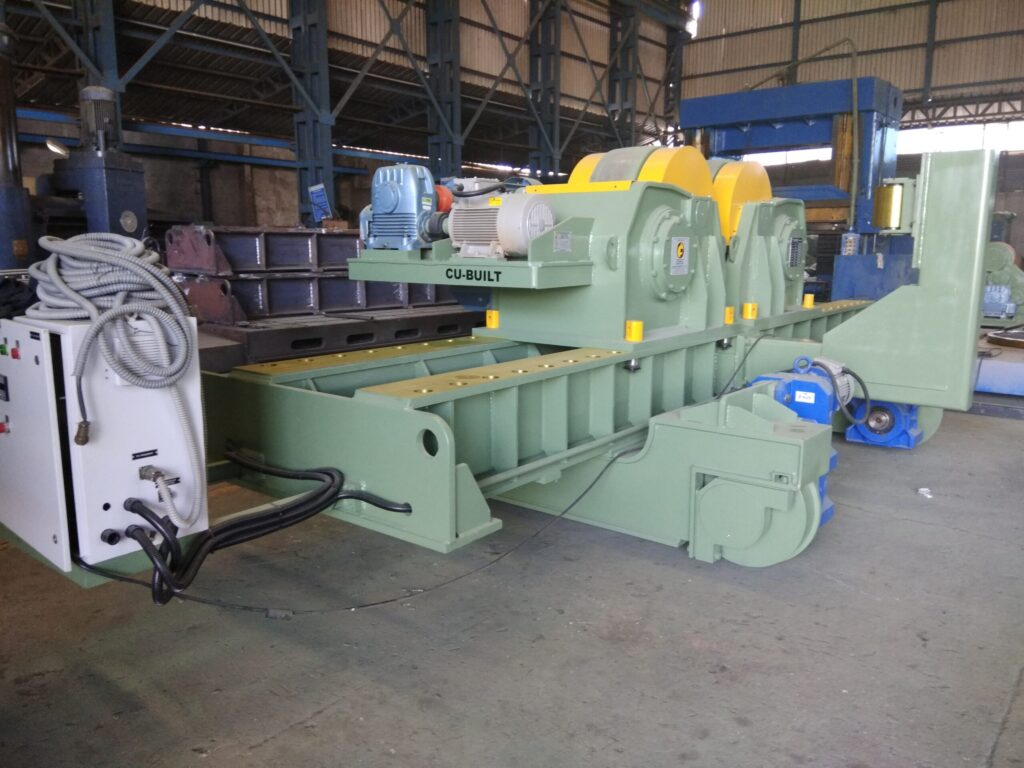
welding rotator
Blog

Welding Manipulators: The Smart Solution for Precision Welding

In today’s fast-paced manufacturing environment, achieving consistency, safety, and efficiency in welding processes is more critical than ever. As industries shift toward automation, welding manipulators have emerged as a game-changing solution for streamlining welding tasks while ensuring superior quality. Whether you’re operating in heavy fabrication, shipbuilding, oil and gas, or structural steel production, investing in the right welding equipment can dramatically improve your output. In this guide, we’ll explore everything you need to know about welding manipulators—what they are, how they work, and why they’re essential for modern fabrication. What Are Welding Manipulators? Welding manipulators are specialized pieces of welding automation equipment designed to position and control welding torches for enhanced precision and repeatability. Mounted on vertical and horizontal arms, these machines allow for seamless movement of the welding head, enabling welders to reach difficult or large workpieces without manual intervention. They are often used in conjunction with welding positioners or turning rolls to provide a fully automated or semi-automated welding system. Key Benefits of Welding Manipulators 1. Enhanced Welding Accuracy Manual welding often results in inconsistencies due to human fatigue or limited accessibility. Welding manipulators eliminate these issues by ensuring that every weld is completed with the same level of precision. 2. Increased Safety Large or complex structures can pose significant safety risks for manual welders. With welding manipulators, the operator can remain at a safe distance while the machine handles high-temperature, high-pressure welding operations. 3. Higher Productivity Automation means faster cycle times and reduced downtime. Operators can program the welding path, reducing the need for adjustments between jobs. 4. Consistency and Repeatability Once programmed, the manipulator can produce the same weld repeatedly without deviation. This is especially beneficial for large-scale production where uniformity is key. 5. Reduced Material Waste Because of the increased accuracy and control, there is significantly less rework and material waste, which directly impacts profitability. Common Applications of Welding Manipulators Welding manipulators are widely used across several heavy-duty industries: Pipeline fabrication: For creating long, consistent welds in pipe joints. Wind tower manufacturing: Essential in joining large cylindrical sections. Pressure vessels and boilers: Where precision and structural integrity are crucial. Steel structures and bridges: To weld massive beams and support sections. Oil and gas platforms: For welding large structural components safely and efficiently. These industries benefit greatly from the automation, safety, and quality control that welding manipulators offer. Types of Welding Manipulators There are various types of welding manipulators, each suited for specific applications and work environments. 1. Column and Boom Manipulators These are the most common type. The column allows vertical movement, while the boom extends horizontally. The welding torch is mounted at the end of the boom and can be moved along both axes for precise placement. 2. Portable Welding Manipulators For job sites with mobility needs, portable units offer flexibility without compromising on performance. 3. Gantry-Type Manipulators These are used for very large workpieces and typically span over the structure, offering complete overhead access. 4. Customized Systems Some industries require tailor-made manipulators built to fit unique welding processes, sizes, and workpieces. How to Choose the Right Welding Manipulator When selecting a welding manipulator, several factors must be considered to ensure it aligns with your operational requirements: Size and weight of the workpiece: Choose a manipulator that can handle your largest components. Welding process: Ensure compatibility with your existing MIG, TIG, or SAW systems. Reach and travel distance: Consider how far the boom needs to extend and what height the column should reach. Control system: Look for digital controls that support programmable welding paths for precision and ease of use. Integration capability: Can it be combined with welding positioners, rotators, or robotic arms for full automation? Maintenance Tips for Welding Manipulators Like any industrial equipment, welding manipulators require regular maintenance to ensure longevity and optimal performance: Inspect moving parts: Regularly check the boom, column, and carriage for wear or damage. Clean and lubricate: Keep all tracks and gearboxes clean and lubricated to prevent jamming or breakdowns. Check wiring and controls: Ensure that the electronic components are free of damage and are operating properly. Update software: If your manipulator uses programmable controls, keep the software up to date for performance improvements and bug fixes. Routine maintenance not only extends the life of your manipulator but also improves safety and productivity. Future Trends in Welding Manipulation As industries continue to digitize and automate, welding manipulators are evolving too: AI and machine learning: Predictive maintenance and adaptive welding paths are being integrated. Smart sensors: Real-time feedback for heat levels, weld quality, and material resistance. Remote operation: Operators can now control and monitor welding tasks from centralized control rooms or even remote locations. Energy-efficient models: Newer manipulators are being designed to consume less power while maintaining output. These innovations make it clear that welding manipulators are not just a luxury—they’re a necessity in the factories of the future. Final Thoughts Welding manipulators have become essential assets for companies looking to scale operations while maintaining high-quality output. They bring unparalleled precision, safety, and efficiency to welding tasks that would otherwise be time-consuming and physically demanding. Whether you’re building ships, pipelines, or pressure vessels, integrating a welding manipulator into your workflow can transform your production capabilities. Their versatility and adaptability make them a long-term investment that pays off in both quality and profit.

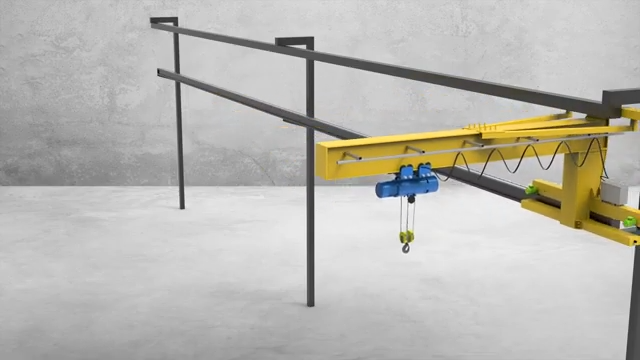
wall crean
Blog

Industrial Cranes: Powering Modern Lifting Solutions

In the world of heavy machinery and large-scale operations, industrial cranes stand as towering symbols of strength, precision, and efficiency. From construction sites and warehouses to shipyards and manufacturing plants, these mechanical giants play a crucial role in lifting and moving massive loads safely and effectively. As industries continue to evolve, so does crane technology—becoming smarter, safer, and more adaptable to a wide range of applications. Whether you’re expanding your operations or upgrading outdated equipment, understanding the value and versatility of industrial cranes is key to making informed decisions. What Are Industrial Cranes? Industrial cranes are mechanical lifting devices designed to move heavy materials horizontally and vertically within an industrial setting. Unlike mobile cranes used on construction sites, industrial cranes are typically fixed or semi-fixed and built to operate in specific environments like factories, warehouses, or ports. These cranes use a combination of hoists, wire ropes, and mechanical arms to lift loads ranging from a few hundred kilograms to hundreds of tons. Their precision, power, and reliability make them indispensable in any operation requiring heavy material handling. Types of Industrial Cranes There are several types of industrial cranes, each designed for specific tasks and work environments: 1. Overhead Bridge Cranes These cranes are mounted on tracks fixed to building columns or ceiling beams, offering excellent mobility across large spaces. Ideal for manufacturing units and warehouses, they provide smooth, high-capacity lifting. 2. Gantry Cranes Used in outdoor environments like shipyards or rail yards, gantry cranes operate on rails or wheels and can lift extremely heavy loads. They’re known for their versatility and ability to span wide distances. 3. Jib Cranes Jib cranes have a horizontal arm (jib) that rotates to lift materials within a fixed radius. These are commonly used for workstation lifting or assembly lines where flexibility and compactness are required. 4. Monorail Cranes Designed to follow a fixed path, monorail cranes are ideal for repetitive tasks in assembly lines or loading docks. 5. Wall-Mounted Cranes These are space-saving solutions used for lighter tasks. Mounted on walls or support structures, they are ideal for workshops and maintenance stations. Each crane type addresses different operational challenges and material-handling needs, offering varying levels of speed, load capacity, and movement precision. Benefits of Using Industrial Cranes 1. Enhanced Safety Manual handling of heavy materials is one of the leading causes of workplace injuries. Industrial cranes reduce the need for human intervention in dangerous lifting tasks, significantly improving safety. 2. Increased Efficiency Cranes can move large volumes of material quickly, reducing downtime and increasing throughput. This improved efficiency directly translates into cost savings. 3. Versatility From small workshops to massive shipyards, there’s a crane type for nearly every application. Many cranes can also be customized with attachments and automation features. 4. Precision Handling Industrial cranes provide high precision and control over load movements, which is critical for handling delicate or high-value items. 5. Space Optimization Cranes operate overhead or along specific paths, freeing up valuable floor space and improving workplace organization. Key Features to Look For in Industrial Cranes When choosing the right crane for your operation, consider the following features: Load Capacity: Select a crane that can comfortably handle the maximum load requirements. Span and Height: Ensure the crane fits the physical dimensions of your facility or site. Speed Controls: Variable speed controls provide smoother operation and better handling. Automation: Smart cranes with programmable logic controllers (PLCs) enhance repeatability and reduce human error. Maintenance Access: Look for cranes designed with easy-to-service parts and components. Evaluating these factors helps you select the most efficient and long-lasting crane solution for your specific industrial application. Industries That Rely on Industrial Cranes Industrial cranes are essential in various industries where material handling is a core part of daily operations: Manufacturing: For moving parts, machinery, or finished products between stations. Construction: Assisting with the lifting of heavy equipment and building materials. Shipping and Logistics: Loading and unloading cargo containers at ports or logistics hubs. Automotive: Handling components and assembling car parts. Steel and Metal: Lifting large coils, plates, and beams in steel plants. Each of these sectors benefits immensely from the strength, reliability, and precision that industrial cranes offer. Maintenance Tips for Industrial Cranes Proper maintenance extends the life of your crane and ensures workplace safety: Regular Inspections: Check wire ropes, hooks, gears, and brakes for wear and damage. Lubrication: Keep all moving parts properly lubricated to prevent friction and mechanical failure. Load Testing: Perform periodic load tests to verify capacity and performance. Electrical Checks: Inspect control panels, wiring, and switches to avoid power issues. Operator Training: Ensure all operators are trained in safety procedures and basic troubleshooting. Routine care minimizes downtime and enhances the longevity of your equipment. The Future of Industrial Cranes As technology evolves, so does the potential of industrial cranes. The future brings exciting advancements that will further revolutionize lifting operations: IoT Integration: Sensors and software provide real-time data on load, usage, and maintenance needs. AI and Automation: Intelligent systems will optimize lifting routes and prevent overloads. Remote Operation: Operators will control cranes from remote stations using digital interfaces. Energy Efficiency: Newer models are being designed to consume less power while delivering the same performance. These trends are paving the way for smarter, safer, and more productive material-handling environments. Final Thoughts Industrial cranes are no longer just tools—they are vital assets that power the backbone of industrial operations. From improving productivity and safety to enabling complex lifts with ease, these machines are indispensable across multiple sectors. Selecting the right crane, maintaining it properly, and integrating modern technology can dramatically transform your business. As industries push for higher efficiency and precision, the demand for innovative crane solutions will only continue to grow.

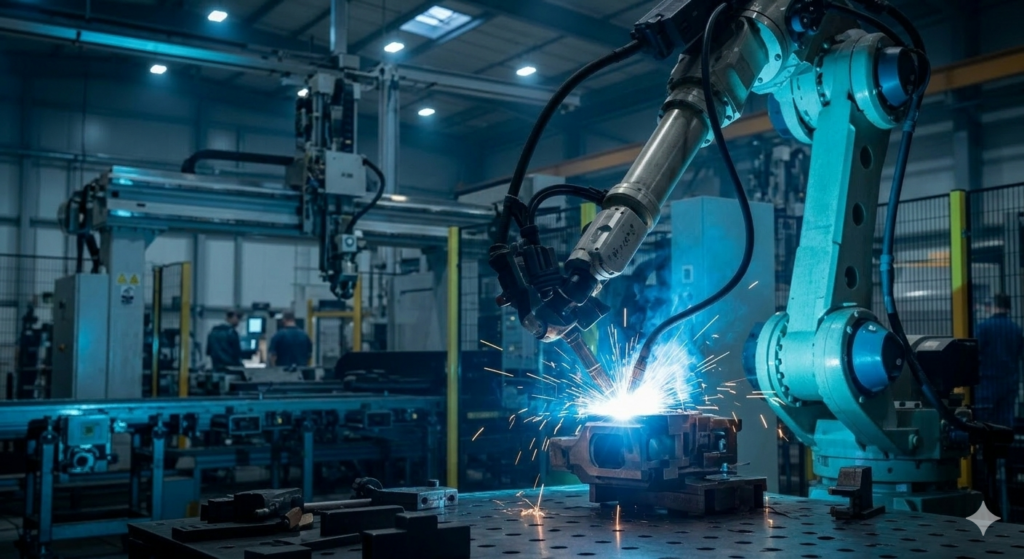
Welding Automation System fabrication banner
Blog

Welding Automation System: Revolutionizing Industrial Fabrication

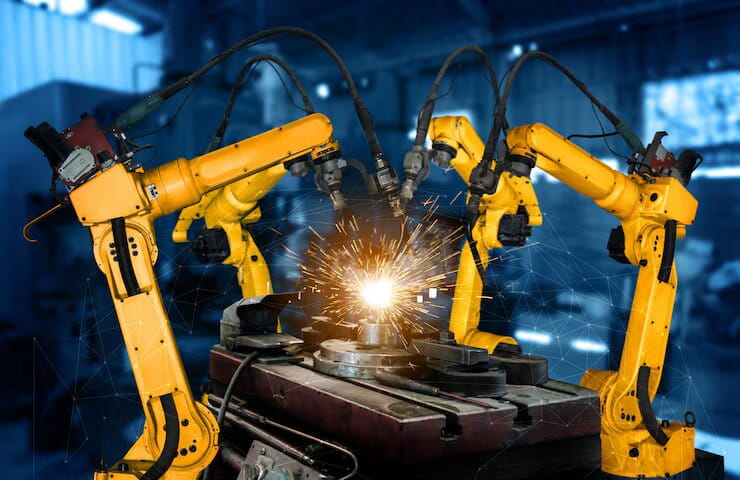
In today’s highly competitive manufacturing world, speed, precision, and consistency are more important than ever. Manual welding processes, while still valuable, often fall short of meeting modern production demands. Therefore, a Welding Automation System has become a game-changer—transforming traditional fabrication into a smarter, scalable process. Automation in welding is no longer a luxury. Instead, it’s now a critical asset for industries ranging from automotive to aerospace. As a result, businesses are adopting these systems to improve quality, reduce waste, and increase output. What Is a Welding Automation System? Simply put, a Welding Automation System refers to a combination of equipment and software that automates the welding process. These systems often include robotic arms, sensors, PLC controllers, and precision fixtures. In many cases, they are capable of executing MIG, TIG, arc, or spot welding with little to no human intervention. Moreover, they can be semi-automated or fully automated, depending on production requirements. Thus, companies can choose systems that align with their workflow and budget. Types of Welding Automation Systems Understanding the types of welding automation systems is key to selecting the right one. Let’s take a closer look: 1. Robotic Welding Systems These are fully automated, using robotic arms to complete welds with high speed and accuracy. Consequently, they are ideal for mass production. 2. Fixed Automation Designed for repetitive tasks, these systems use permanent setups like welding positioners or gantries. Hence, they are perfect for high-volume manufacturing. 3. Flexible Automation These systems offer both automation and adaptability. Therefore, they are well-suited for varied production lines where customization is needed. 4. Semi-Automated Welding Here, machines perform the welding while operators handle setup. This way, you achieve a balance between automation and control. Why Industries Are Switching to Welding Automation The shift toward automation is accelerating for several good reasons: 1. Increased Productivity A Welding Automation System operates non-stop, unlike human labor. As a result, your output can increase dramatically. 2. Enhanced Weld Quality Automation maintains consistent parameters across all welds. Consequently, this leads to stronger joints and fewer errors. 3. Lower Operational Costs In the long term, automation reduces labor, energy, and material costs. Therefore, your investment pays for itself quickly. 4. Improved Safety Welding involves heat, sparks, and fumes. With automation, human exposure to these hazards drops significantly. 5. Scalability As your business grows, automated systems can be scaled or reprogrammed. This makes them highly adaptable to future needs. Industries That Benefit Most from Automation Welding automation isn’t industry-specific. Instead, it has proven valuable in sectors such as: Automotive manufacturing Aerospace and defense Shipbuilding and offshore Heavy equipment production Steel and structural fabrication For example, in shipbuilding, precision and large-scale welds are essential. Therefore, automation is a perfect fit. Key Components of a Welding Automation Setup A successful setup includes multiple components working together: Robotic arms or gantries for torch movement Power sources tailored to welding types Control units (PLC/CNC) for logic and sequencing Fixtures and jigs to secure parts Sensors and vision systems for real-time adjustments Together, these elements ensure efficiency and consistency. How to Choose the Right Welding Automation System When selecting your system, consider the following: Material types: Not all systems handle all metals equally well. Welding techniques: MIG, TIG, arc, etc., require specific setups. Production volume: Higher volume justifies greater automation. Facility layout: Ensure your space can house the system. Integration needs: Some systems must sync with existing machinery. In short, choose a system that complements your specific operations. Challenges to Consider Of course, adopting a Welding Automation System isn’t without challenges: Initial investment: Costs may be high, but ROI is strong. Technical skills: Trained staff are required for setup and maintenance. Customization needs: Special tasks may need tailored solutions. Training time: Operators must learn how to use and manage the system. Despite these hurdles, the long-term benefits outweigh the initial complexities. Maintenance and Support Regular maintenance ensures your system runs smoothly: Schedule inspections to catch wear early Keep software updated for system security and features Store essential spares for emergencies Work with manufacturers who offer strong after-sales support Therefore, building a preventive maintenance plan is highly recommended. Future Trends in Welding Automation Looking ahead, several trends are shaping the future: AI & Machine Learning: Enabling real-time adjustments IoT Integration: For live performance tracking Cobots: Collaborative robots that work safely alongside humans Green tech: Focusing on energy efficiency and emission control Cloud analytics: Offering predictive insights on system performance Thus, staying updated ensures your system remains cutting-edge. Conclusion A Welding Automation System is essential for manufacturers aiming to reduce costs, improve quality, and increase productivity. While the upfront investment may seem high, the long-term rewards are significant. Moreover, these systems offer flexibility and scalability that manual processes simply cannot match. Therefore, they are quickly becoming standard in smart manufacturing.

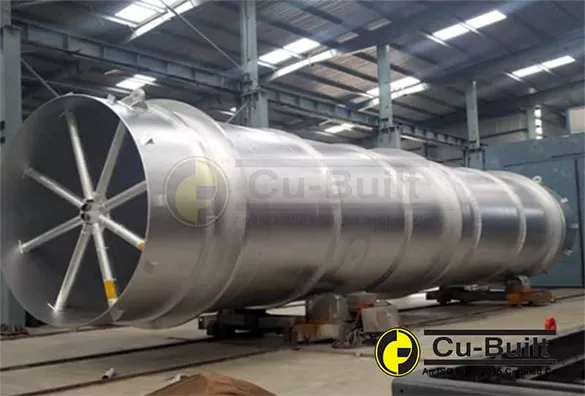
Large cylindrical industrial vessel on welding rotators for heavy fabrication and tank manufacturing
Blog

Heavy Fabrication: The Backbone of Modern Industry

In the world of manufacturing and construction, heavy fabrication plays a crucial role in shaping the backbone of many industries. This process involves creating large, complex metal structures essential for projects ranging from towering bridges and skyscrapers to heavy machinery and industrial infrastructure. This blog dives deep into what this specialized metalworking entails, its significance, common techniques, and how businesses benefit from investing in expert metal fabrication services. Whether you’re a project manager, engineer, or business owner, understanding this process can help you optimize your operations and deliver superior results. What is Heavy Fabrication? Heavy fabrication refers to manufacturing large, complex metal structures by cutting, shaping, assembling, and welding substantial metal components. Unlike light fabrication, which involves smaller, simpler parts, this process deals with custom-built structures made from steel, aluminum, or other durable metals. These components are widely used in industries such as construction, shipbuilding, oil and gas, mining, and transportation. It is vital for producing structural frameworks, industrial machinery parts, pressure vessels, and other critical infrastructure. Why is it Critical for Industry? Fabrication of heavy metal parts is at the core of modern infrastructure development and industrial growth. Here’s why it’s so important: Strength and DurabilityFabricated components are built to withstand extreme conditions, such as heavy loads, harsh weather, and high temperatures. The strength of these structures ensures safety and longevity of buildings, machinery, and equipment. CustomizationEvery project has unique requirements, and this fabrication process allows precise customization of components to meet specific design specifications. This flexibility is essential for complex projects that standard parts cannot accommodate. Efficiency in Construction and AssemblyBy prefabricating large components off-site, the fabrication process reduces on-site construction time and labor costs. This helps streamline project timelines and improve overall efficiency. Cost-EffectivenessThough it may involve significant upfront investment, the process reduces long-term costs by minimizing maintenance, rework, and downtime. Quality components improve operational reliability. Common Techniques Used Several manufacturing techniques are employed to achieve the desired shape, strength, and finish: Cutting: Advanced methods like plasma, laser, and waterjet cutting provide high precision with minimal waste. Forming and Bending: Metal sheets and plates are bent or formed using hydraulic presses, rollers, or press brakes. Welding: Key joining methods include MIG, TIG, and submerged arc welding, chosen based on material and application. Machining: Drilling, milling, and grinding are used post-assembly for tight tolerances and smooth finishes. Assembly: Multiple components are aligned and fastened securely to create the final structure or machine. Industries That Rely on Heavy Fabrication Heavy fabrication supports a broad range of industries, including: Construction: For steel frameworks, bridges, and infrastructure projects. Shipbuilding: Fabrication of hulls, decks, and heavy marine equipment. Oil and Gas: Manufacturing rigs, pipelines, and pressure vessels. Mining: Large mining equipment and structural supports. Transportation: Components for railways, heavy trucks, and aircraft. Power Generation: Fabrication of turbines, boilers, and cooling towers. These industries depend heavily on the quality, precision, and reliability that heavy fabrication offers. Benefits of Partnering with Expert Heavy Fabricators Choosing the right fabrication partner can make a significant difference in project outcomes. Here are key advantages of working with experienced heavy fabricators: 1. Advanced Technology and Equipment Experienced fabricators invest in state-of-the-art machinery and cutting-edge technology that improve accuracy and productivity. 2. Skilled Workforce Heavy fabrication demands skilled welders, machinists, and engineers who understand material properties and fabrication standards. 3. Quality Assurance Reputable fabricators implement strict quality control processes, including non-destructive testing (NDT), to ensure every component meets specifications. 4. Safety Compliance Heavy fabrication involves high-risk operations, so certified fabricators adhere to safety regulations to protect workers and minimize accidents. 5. Project Management Expertise From design consultation to final delivery, expert fabricators manage timelines, budgets, and logistics to ensure seamless project execution. How to Optimize Your Heavy Fabrication Projects To get the most out of your heavy fabrication investments, consider the following best practices: Design Collaboration: Engage fabricators early during the design phase to ensure manufacturability and cost efficiency. Material Selection: Choose appropriate metals and grades based on project requirements and environmental factors. Clear Specifications: Provide detailed drawings and specifications to avoid errors or rework. Regular Communication: Maintain open communication with the fabrication team to monitor progress and address issues. Inspection and Testing: Plan for thorough inspections during and after fabrication to guarantee quality. Following these tips helps reduce delays and ensures your project meets both quality and budget targets. The Future of Heavy Fabrication The heavy fabrication industry is evolving with advances in technology, sustainability, and automation: Automation and Robotics: Automated welding and cutting systems are increasing efficiency and consistency. 3D Printing: Additive manufacturing techniques are starting to complement traditional fabrication for complex parts. Sustainable Practices: Fabricators are adopting greener processes, recycling metals, and reducing waste. Digital Twins and IoT: Real-time monitoring and digital simulations improve design accuracy and predictive maintenance. These trends promise to revolutionize heavy fabrication, making it faster, safer, and more environmentally friendly. Conclusion The fabrication of large metal components plays a pivotal role in shaping the infrastructure and machinery that power the world’s industries. With a focus on strength, precision, and customization, it enables the construction of complex and durable parts critical for modern projects. Partnering with expert fabricators who leverage advanced technology and skilled craftsmanship ensures your projects are executed efficiently, safely, and to the highest standards. Embracing innovation and best practices will further enhance the benefits of this process for years to come.

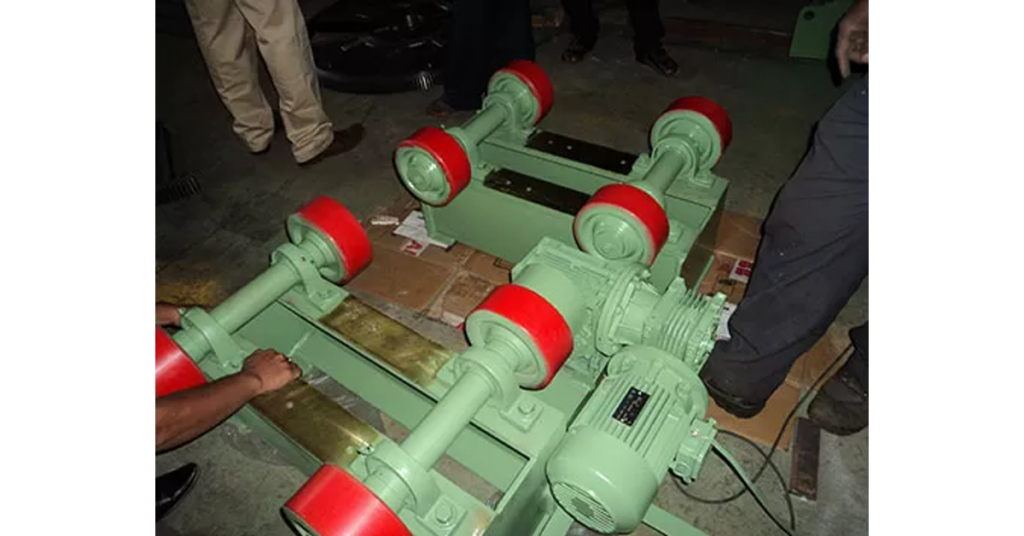
Heavy duty welding rotator with adjustable rollers for industrial pipe welding and fabrication
Blog

Boost Fabrication Efficiency with: Advanced Pipe Welding Rotators

Welding large cylindrical components like pipes and tanks presents numerous challenges in fabrication. Achieving precision, consistency, and safety during these tasks is no small feat, especially in industries like oil and gas, chemical processing, or shipbuilding. That’s where the pipe welding rotator steps in as a game-changing solution. By automating the rotation of cylindrical workpieces during welding, these machines improve weld quality and worker efficiency while minimizing risks. If you’re still relying solely on manual welding techniques, it’s time to consider the many benefits of pipe welding rotators. Understanding the Pipe Welding Rotator A pipe welding rotator is a mechanized device designed to support and rotate cylindrical parts, such as pipes, during the welding process. This ensures that welders can perform continuous and uniform welds without manually repositioning the pipe. Typically, a welding rotator consists of: Drive rollers: Powered to rotate the workpiece. Idler rollers: Free-moving to support the load. Control system: For adjusting speed and rotation direction. This setup makes the welding process smoother and more controlled, especially for large or heavy workpieces that are difficult to handle manually. Core Advantages of Pipe Welding Rotators 1. Superior Weld Quality Inconsistent rotation leads to irregular welds, porosity, and potential cracks. Pipe welding rotators ensure uniform motion and even weld penetration, improving the strength and aesthetics of the joint. 2. Optimized Workflow Time is money in fabrication. Using a rotator reduces the need for manual adjustments, significantly speeding up the welding cycle. 3. Reduced Fatigue and Human Error Manual rotation of large pipes is physically demanding and error-prone. Rotators take on the heavy lifting, allowing workers to focus on precision and process control. 4. Improved Safety By removing the need to move or lift pipes during welding, pipe rotators reduce workplace injuries, especially in high-risk environments. 5. Cost Savings Increased speed and reduced labor translate into significant cost savings over time. Additionally, fewer reworks and less wasted material mean higher profitability. Where Pipe Welding Rotators Make an Impact These machines are vital in sectors where precision welding of cylindrical components is frequent. Common industries include: Petrochemical and refinery plants Boiler and pressure vessel manufacturing Heavy fabrication workshops Pipeline construction Ship and submarine manufacturing In such environments, a pipe welding rotator not only streamlines operations but also ensures compliance with strict industry standards. Types of Pipe Welding Rotators Understanding the different types of rotators can help you choose the best fit for your project: 1. Self-Aligning Rotators Automatically adjust the roller angle to match the pipe diameter, making setup quick and easy. 2. Conventional Rotators Require manual adjustment of rollers for varying pipe sizes—ideal for standardized production lines. 3. Fit-Up Rotators Used for aligning and positioning pipe sections before welding, especially useful for joining long segments. 4. Tank Turning Rolls A heavy-duty variant of rotators designed to handle massive tanks or vessels during automated welding. Each of these types is built to enhance workflow and accommodate different fabrication challenges. How to Select the Best Pipe Welding Rotator Before purchasing or upgrading your welding rotator, consider the following criteria: Weight capacity: Ensure the rotator can safely handle your heaviest components. Pipe diameter range: It must be compatible with the sizes you commonly weld. Speed range and control: Look for variable speed options to suit different weld specifications. Automation capabilities: Advanced models integrate well with robotic welding systems and offer remote or programmable controls. Build quality: Industrial-grade materials and components ensure durability under intense workloads. Technological Advancements in Welding Rotators Today’s pipe welding rotators are far from simple mechanical devices. Modern machines often include: Digital touch-screen interfaces Remote control operation Data tracking for quality assurance Seamless integration with welding robots Sensor feedback systems for real-time speed and torque monitoring These advancements turn basic welding equipment into high-performance automation tools that reduce downtime and improve output consistency. Maintenance Tips to Maximize Lifespan To keep your rotator in top working condition, consider the following practices: Routine inspection of rollers, motors, and electronics. Scheduled lubrication of bearings and moving parts. Cleaning and dust control in the workspace to prevent damage. Training operators to handle and operate the machine safely. A small investment in upkeep will result in longer machine life and fewer interruptions to your production cycle. Pipe Welding Rotator vs Manual Handling: A Comparison Feature Manual Welding Pipe Welding Rotator Efficiency Low High Operator Fatigue High Low Weld Consistency Variable Consistent Productivity Moderate High Safety Medium High Initial Investment Low Medium Long-Term ROI Low High This comparison makes it clear that for long-term success in fabrication, rotators are a smart investment. Conclusion In today’s fast-paced manufacturing landscape, staying competitive means embracing innovation. The pipe welding rotator is one such innovation that delivers tangible benefits—faster production, better welds, lower labor costs, and enhanced safety. Whether you’re setting up a new fabrication facility or upgrading your current equipment, investing in a quality rotator can transform your welding capabilities.

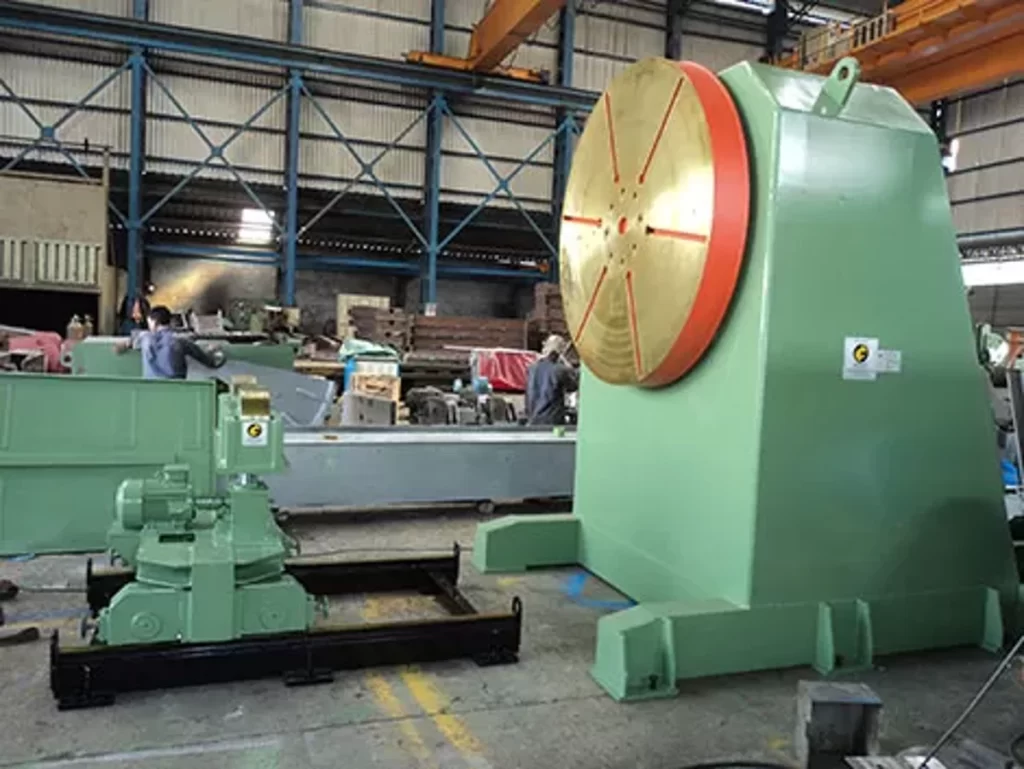
Headstock tailstock welding positioner machine used for rotating large industrial workpieces in fabrication workshop
Blog

The Future of Fabrication: Welding Automation Equipment

In the ever-evolving world of manufacturing and fabrication, welding automation equipment has emerged as a game-changing innovation. As industries push toward faster production, higher precision, and improved safety, traditional welding methods no longer meet growing demands. This is where automation steps in—bringing consistency, efficiency, and cost-effectiveness to the forefront. Whether you are a small fabrication shop or a large-scale manufacturer, investing in welding automation systems can significantly improve productivity and reduce operational costs. In this blog, we explore everything you need to know about welding automation, including its benefits, applications, and how it’s reshaping the industry. What Is Welding Automation Equipment? Welding automation equipment refers to a system or machinery designed to perform welding operations with minimal or no human intervention. It combines software controls, robotic arms, sensors, and mechanical components to deliver consistent welds. This equipment can range from simple automated tools to fully robotic systems integrated into the production line. There are two main categories of welding automation: Hard Automation: Customized machinery designed for repetitive welds on specific parts. Flexible (Robotic) Automation: Programmable systems that can be adapted to weld a variety of components and designs. Benefits of Welding Automation Equipment Implementing welding automation equipment offers a multitude of advantages to manufacturers and fabricators. Here are the most impactful benefits: 1. Enhanced Productivity Automated systems can operate around the clock without breaks or fatigue. This continuous operation dramatically increases output compared to manual welding. 2. Consistent Quality Automation ensures every weld is identical in quality, size, and strength. This reduces the chances of human error and material waste. 3. Reduced Labor Costs While the initial investment may be high, automation reduces dependency on skilled labor. Fewer operators are needed to oversee multiple automated welding stations. 4. Improved Safety Welding involves high temperatures, fumes, and intense light. By minimizing human involvement, automation significantly lowers workplace hazards. 5. Material Savings Precise control over heat input, filler materials, and arc stability ensures less spatter, less waste, and optimal material usage. Applications Across Industries The use of welding automation is growing across numerous sectors. Here are a few notable applications: Automotive Manufacturing: Robotic welders are used extensively for chassis and body panel assembly. Aerospace: Precision welding ensures structural integrity of components that endure high stress. Construction: Prefabricated metal structures rely heavily on automated welding for accuracy. Oil & Gas: Pipeline welding demands high-quality, consistent welds, making automation a necessity. Shipbuilding: Automated systems can weld large metal sheets with high efficiency. Key Features to Look For When choosing the right welding automation equipment, consider these essential features: ✔ Flexibility Systems should be adaptable to handle various part sizes, shapes, and welding positions. ✔ Ease of Integration Look for equipment that integrates seamlessly with existing machinery and software. ✔ Operator Interface A user-friendly interface reduces training time and enables quick adjustments to welding parameters. ✔ Support and Service Choose a vendor that offers reliable after-sales service, technical support, and equipment upgrades. Welding Techniques Supported by Automation Automation is compatible with a variety of welding methods including: MIG (Metal Inert Gas) TIG (Tungsten Inert Gas) Spot Welding Laser Welding Plasma Arc Welding Each method offers specific advantages depending on the material, thickness, and required finish. Challenges and Considerations While the benefits are numerous, there are some challenges associated with adopting welding automation: High Initial Cost: Robotic systems and integration can be expensive. Skilled Setup Needed: Initial programming and system setup require skilled technicians. Maintenance: Regular upkeep is essential to avoid downtime. Customization Limits: Hard automation systems may lack flexibility for diverse products. Despite these challenges, the long-term ROI justifies the initial investment for most manufacturers. Why Now Is the Time to Automate The global demand for faster delivery, superior product quality, and safer work environments makes this the ideal time to adopt welding automation. With advancements in AI, machine vision, and IoT (Internet of Things), modern systems are smarter, more efficient, and more user-friendly than ever before. Moreover, as the skilled labor pool shrinks, automation bridges the gap by offering consistent, high-quality production capabilities without depending on human resources. Final Thoughts Welding automation equipment is not just a luxury—it’s a necessity for companies aiming to stay competitive in today’s fast-paced market. From enhancing efficiency and safety to reducing waste and labor dependency, automation is transforming how we approach welding tasks. Whether you’re considering a full robotic system or a semi-automated solution, the key lies in understanding your production goals, material needs, and long-term vision. Choose equipment that aligns with your business objectives and provides room for growth.

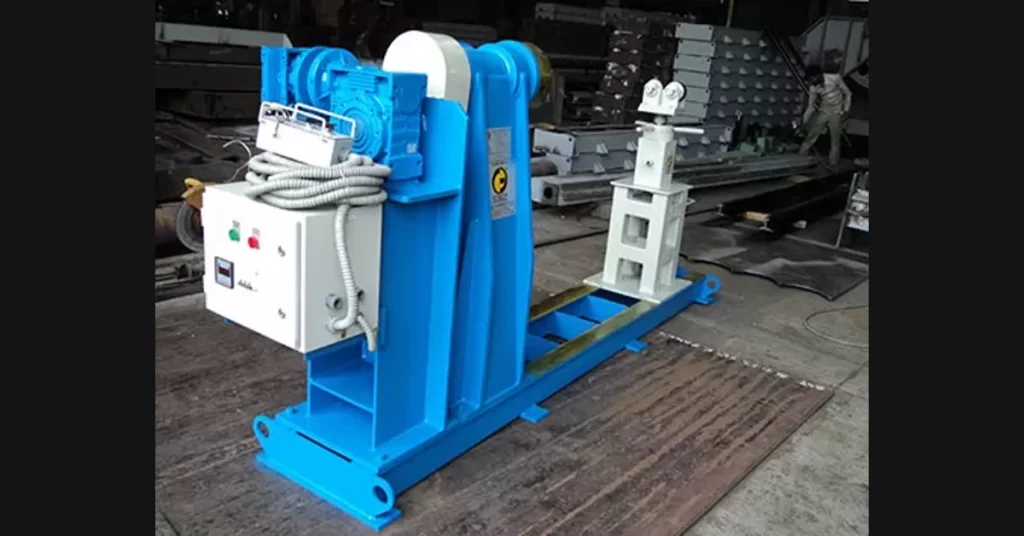
Industrial welding rotator machine used for pipe and cylindrical fabrication in workshop
Blog

Welding Positioner Turntable: Enhancing Welding Precision and Productivity

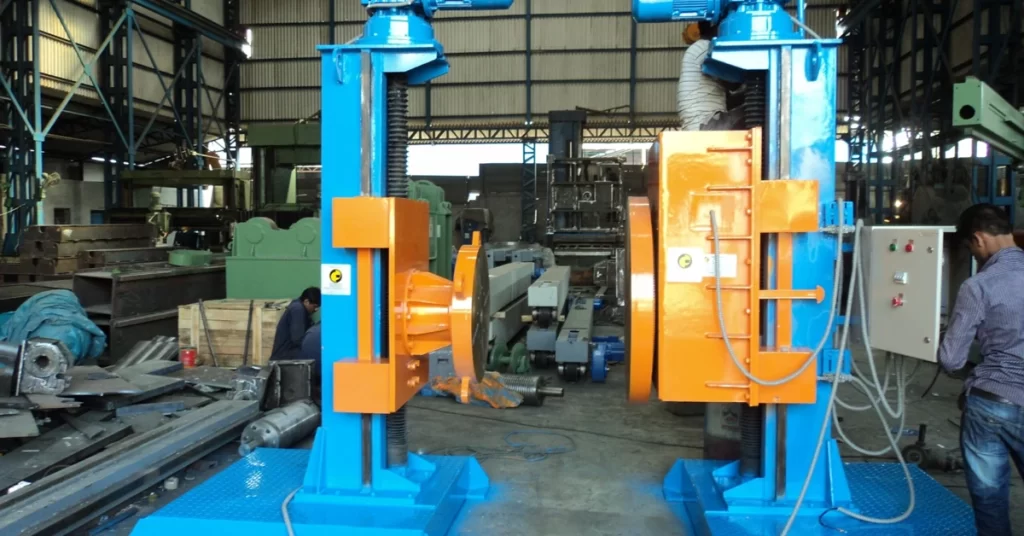
In the evolving world of industrial fabrication, precision, efficiency, and consistency are non-negotiable. One tool that stands out in achieving these goals is the welding positioner turntable. Whether you’re welding small components or large metal structures, this equipment plays a crucial role in simplifying the process and improving weld quality. As industries continue to scale, the demand for automated and semi-automated solutions rises. A welding positioner turntable not only speeds up the welding process but also ensures a higher degree of accuracy, repeatability, and safety. What is a Welding Positioner Turntable? A welding positioner turntable is a mechanical device that holds and rotates a workpiece to enable optimal welding angles. This rotation allows the welder or robotic arm to maintain a consistent position, resulting in uniform welds. These turntables come in various sizes and configurations, depending on the weight and type of materials being welded. From light-duty tables for small fabrication shops to heavy-duty positioners in shipbuilding or oil and gas industries, the range is extensive. How It Works The main function of a welding positioner is to rotate and tilt the workpiece. This allows the operator or automated system to access complex angles without manually repositioning the part. The table rotates 360 degrees, and depending on the model, it may also tilt up to 135 degrees or more. As a result, welders can maintain a flat or horizontal welding position, which is the most favorable for quality and consistency. Types of Welding Positioners Choosing the right welding positioner depends on the scale and nature of the work. Here are the common types: 1. Benchtop Positioners Ideal for small welding shops, benchtop models are compact and designed for light-duty tasks. They’re perfect for working on components like flanges and pipe fittings. 2. Head and Tailstock Positioners These are used for long or heavy workpieces that need rotation along a single axis. Typically, they are found in applications like beam welding or structural steel fabrication. 3. Tilt-Rotate Positioners These offer dual-axis movement, allowing tilt and rotation for more complex welding tasks. This versatility makes them a go-to for intricate assemblies. 4. Turntable Positioners As the name suggests, these rotate workpieces horizontally. They are best suited for round or cylindrical components, like tanks and pipes. Benefits of Using a Welding Positioner Turntable Integrating a welding positioner turntable into your fabrication process can unlock a wide range of benefits: 1. Improved Weld Quality By keeping the torch angle and arc length consistent, positioners produce stronger, cleaner welds. This reduces the need for rework and increases output quality. 2. Increased Productivity Since the workpiece is rotated instead of manually repositioned, welders can work faster. In fact, some businesses report up to a 50% boost in welding speed. 3. Enhanced Safety Manual repositioning of heavy metal parts is not only time-consuming but also dangerous. A positioner minimizes the physical strain on workers and reduces the risk of accidents. 4. Greater Efficiency With automation-ready options, positioners can be integrated with robotic systems. This makes them ideal for high-volume production lines. 5. Versatility From automotive to aerospace, welding turntables are used across diverse industries. No matter the project, there’s a positioner configuration that fits. Applications Across Industries A welding positioner turntable is widely used in industries where metal welding is core to the process: Automotive Manufacturing: For parts like axles, gears, and engine components. Aerospace Industry: High-precision welding of lightweight metal alloys. Shipbuilding: Handling large, curved surfaces and thick materials. Oil & Gas: Welding cylindrical tanks, pipes, and pressure vessels. Structural Steel: Ideal for beam and plate fabrication. In every sector, the goal is the same: to achieve consistent, high-quality welds in less time and with fewer errors. Factors to Consider Before Buying Before investing in a welding positioner, it’s important to evaluate the following: 1. Load Capacity Understand the weight of your typical workpieces. Overloading a positioner can damage the machine and affect performance. 2. Rotation Speed Depending on the material and welding type, variable speed control may be essential. This gives you flexibility during different operations. 3. Tilt Range Not all jobs require tilt movement, but when they do, make sure your positioner can accommodate the desired range. 4. Compatibility with Automation If you plan to integrate robotic arms or CNC systems, ensure that your positioner supports automation. 5. Safety Features Emergency stop functions, torque limiters, and stable clamping systems are must-haves for a safe working environment. Maintenance Tips for Longevity Maintaining your welding positioner turntable can significantly extend its lifespan. Here’s how: Lubricate moving parts regularly to avoid friction-related wear. Inspect electrical connections for wear or corrosion. Clean the surface of the turntable to remove debris and slag. Check drive belts and gears for alignment and damage. Schedule professional servicing at least once a year. By staying proactive, you can ensure consistent performance and reduce the risk of unexpected downtime. Future of Welding Positioners As fabrication technology evolves, so do welding positioners. Here are some trends to watch: Smart positioners with IoT integration for real-time monitoring. AI-enabled welding with adaptive speed and torque control. Energy-efficient designs to support sustainability. Compact, portable models for on-site and mobile use. The future is promising, and manufacturers who adopt these innovations will stay ahead of the curve. Conclusion The welding positioner turntable is a must-have for modern fabrication shops aiming for high precision and productivity. Its ability to rotate and tilt workpieces into optimal welding positions enhances quality, reduces human error, and speeds up production timelines. From small workshops to large industrial plants, this tool proves its value across all scales and industries. By investing in the right turntable model and maintaining it properly, your business can achieve faster production, safer operations, and better welds—every time.

Headstock tailstock welding positioner system for precise rotation of large industrial workpieces
Blog

Optimize Welding Accuracy with: Headstock Tailstock Positioning System

Precision is the cornerstone of modern fabrication and welding industries. Whether it’s aligning heavy workpieces or ensuring accurate rotation during welding, a reliable Headstock Tailstock Positioning System plays a pivotal role in delivering high-quality output. Designed to support and rotate long or heavy components during fabrication, this positioning system not only improves efficiency but also enhances safety and repeatability. In today’s competitive manufacturing landscape, companies are constantly seeking ways to streamline operations—and this equipment offers a significant step forward. What Is a Headstock Tailstock Positioning System? A Headstock Tailstock Positioning System is a synchronized mechanical setup typically used in welding, machining, and assembly applications. The headstock serves as the drive unit providing rotational motion, while the tailstock supports the other end of the workpiece to maintain balance and stability. Together, they enable precise rotation and secure positioning of large or complex parts, especially cylindrical or tubular components. These systems are essential when handling long shafts, pipes, beams, or tanks that need consistent alignment throughout fabrication. Key Benefits of Using Headstock Tailstock Positioners 1. Enhanced Accuracy and Repeatability Accurate positioning leads to uniform welds, fewer reworks, and consistent product quality. Automation reduces human error and ensures repeatable outcomes. 2. Improved Operator Safety Manually rotating large workpieces can be dangerous. These systems handle the heavy lifting, reducing strain and injury risk for operators. 3. Support for Large and Heavy Workpieces Workpieces weighing several tons can be safely handled with headstock-tailstock setups, making them ideal for heavy industries like shipbuilding and energy. 4. Optimized Welding Positioning Proper orientation of the part is critical for weld integrity. This system allows tilting or rotating the workpiece into the best position for welding. 5. Increased Productivity With smoother rotations and precise control, fabrication cycles become faster. Automation reduces downtime between processes and manual adjustments. Where Is It Used? The Headstock Tailstock Positioning System is widely adopted in a range of industries due to its flexibility and strength. Common application areas include: Oil & Gas Fabrication: For pipe welding and pressure vessels. Aerospace: Precision positioning of aircraft components. Heavy Machinery Manufacturing: Handling and welding of large frames or chassis. Shipbuilding: Rotating large structural sections for accessibility. Automotive: Alignment and welding of axles, engine parts, and frames. Components of the System Understanding the core components of a headstock-tailstock system helps in selecting and customizing the right setup for your specific needs: Headstock Unit: Houses the drive motor and controls rotation. Can be fixed or adjustable speed. Tailstock Unit: Provides support and is usually free-spinning. Often height-adjustable to match the headstock. Base Frame or Rail System: For alignment, height adjustment, and stability. Control Panel: Allows operators to set rotation speed, direction, and tilt (if applicable). Chucks or Fixtures: To secure the workpiece properly during rotation. Choosing the Right System Before investing in a Headstock Tailstock Positioning System, consider the following factors: ➤ Load Capacity Ensure the system can support the full weight of your workpiece without compromising safety or performance. ➤ Workpiece Length The distance between headstock and tailstock must accommodate your longest component. ➤ Rotation Speed and Control Variable-speed options are useful for handling different materials and weld requirements. ➤ Integration Some systems can be integrated with robotic arms or automated welding machines for a fully automated workflow. ➤ Durability and Maintenance Heavy-duty construction and ease of maintenance ensure long-term usability and fewer disruptions. Why Automation with Positioning Matters As manufacturing trends lean heavily toward automation, positioning systems like these are becoming essential. Automating the rotation and placement of parts not only reduces human error but also enables seamless coordination with robotic welders and CNC machines. Moreover, in industries where weld quality is tied directly to structural integrity, precise positioning reduces distortion and improves penetration—both key to meeting quality certifications and compliance standards. Maintenance Tips for Longevity To ensure that your positioning system continues to perform at peak efficiency: Regularly lubricate moving parts Check electrical connections for wear Inspect fixtures for secure grip Calibrate rotation and speed settings periodically Train operators on safe usage and troubleshooting Cost vs. Value While a Headstock Tailstock Positioning System requires a higher upfront investment, the long-term value in terms of productivity, quality, and reduced labor costs far outweighs the initial price. These systems often pay for themselves within months in high-volume operations by minimizing rework and increasing output. Final Thoughts In conclusion, if your business involves the welding, fabrication, or machining of long or heavy components, investing in a Headstock Tailstock Positioning System can significantly elevate your operational capabilities. It not only improves alignment and quality but also supports your transition toward a safer, more automated, and efficient workspace. By integrating this solution into your production line, you’re positioning your business for future-ready manufacturing standards and better bottom-line results.

EOT crane lifting heavy materials in an industrial manufacturing plant for efficient material handling
Blog

How to Choose the: Right EOT Crane Manufacturer for Your Industry

Introduction In today’s industrial environment, lifting and transporting heavy materials efficiently is not just a necessity—it’s a competitive advantage. Among the various types of material handling equipment, Electric Overhead Traveling (EOT) cranes are considered the backbone of heavy-duty lifting in sectors such as manufacturing, construction, shipbuilding, and warehousing. To meet the growing demand, several companies have emerged, but selecting the right EOT crane manufacturer is a decision that can significantly impact your productivity, safety, and long-term operational costs. What Is an EOT Crane? An EOT crane is a type of overhead crane operated by electricity, running along rails fixed on a structure such as a ceiling or a runway beam. It comprises a bridge, hoist, and end carriages, making it suitable for handling extremely heavy loads with precision. There are primarily two types of EOT cranes: Single Girder EOT Cranes – Suitable for lighter loads and small to medium workshops. Double Girder EOT Cranes – Designed for heavy-duty lifting in larger industrial spaces. Both types serve specific use cases depending on the load capacity, span, and frequency of usage. Therefore, understanding your requirement is the first step before reaching out to a reliable EOT crane manufacturer. Why EOT Cranes Are Essential for Industrial Operations EOT cranes offer more than just lifting capabilities. Here’s why they are a must-have for many businesses: Improved Safety: Reduces manual handling, minimizing the risk of workplace injuries. Enhanced Productivity: Speed and automation reduce cycle time. Efficient Space Usage: Operates overhead, leaving the floor space free. Cost-Efficient: Reduces the need for manual labor over the long term. In short, the right crane improves not just load management but also workplace ergonomics and operational efficiency. Key Features to Look for in an EOT Crane Manufacturer Not all crane manufacturers offer the same level of quality, service, and customization. When choosing an EOT crane manufacturer, consider the following essential factors: 1. Engineering and Design Capabilities The design of the crane must match your load specifications and work environment. Check whether the manufacturer offers CAD-based design services and structural analysis to ensure safe and efficient performance. 2. Customization Options Every industry has unique requirements. A good manufacturer should offer customization in span length, lifting height, control options, and hoisting mechanisms. 3. Compliance and Certifications Ensure the cranes meet industry standards like IS 3177, IS 807, and other relevant quality certifications. This is crucial for both safety and insurance purposes. 4. After-Sales Support and Maintenance Crane systems are long-term investments. Therefore, timely maintenance and availability of spare parts are non-negotiable. Opt for manufacturers that offer comprehensive support. 5. Proven Track Record Look into the manufacturer’s past projects, client reviews, and case studies. A trusted EOT crane manufacturer will proudly showcase their experience and client satisfaction. Industries That Rely on EOT Cranes EOT cranes are versatile and find applications across a wide range of industries: Steel and Metal Plants: For transporting billets, slabs, and coils. Automotive Manufacturing: To handle vehicle bodies, engines, and chassis. Construction: For lifting concrete segments, steel structures, and equipment. Shipbuilding: To manage large ship components and machinery. Power Plants: For heavy turbine components and maintenance works. Warehousing & Logistics: Ensures swift material movement and inventory control. No matter the sector, each application has specific load and operational requirements. That’s why a tailored solution from a knowledgeable EOT crane manufacturer is essential. Latest Innovations in EOT Cranes The crane industry is rapidly evolving. Manufacturers now integrate digital technology, automation, and analytics into crane systems to improve performance and reduce downtime. Here are some trends you can expect from advanced manufacturers: Remote Monitoring & Control Load Sensing and Safety Alarms Energy-Efficient Motors IoT-Enabled Predictive Maintenance Wireless Controls and Smart Panels These innovations not only enhance safety but also bring significant energy savings and operational insights, helping businesses run leaner and smarter. Common Mistakes to Avoid While Choosing a Manufacturer Buying an EOT crane is a major investment. Here are a few mistakes to avoid: Choosing Based Solely on Price: Lower upfront costs may lead to higher maintenance and safety issues. Ignoring After-Sales Service: Always inquire about the support you’ll receive post-installation. Lack of Customization: Off-the-shelf models might not meet specific industrial needs. Overlooking Compliance: Equipment without standard certifications can risk safety and insurance liability. A responsible EOT crane manufacturer will proactively address these concerns during the consultation process. How to Maintain Your EOT Crane for Long-Term Performance Maintenance is critical to ensure the crane’s longevity and safety. Here’s a basic checklist: Daily Visual Checks: Inspect for unusual noises, wear, or damage. Monthly Lubrication: Grease bearings, hoist chains, and wire ropes. Quarterly Electrical Inspections: Check control panels and switchgear. Annual Load Testing: Confirm load capacity and hoist functionality. Moreover, scheduling periodic maintenance with your manufacturer can prevent unexpected breakdowns. Conclusion Choosing the right EOT crane manufacturer is more than just a procurement decision—it’s a strategic investment in your company’s productivity, safety, and future growth. From understanding your load requirements to evaluating design options, certifications, and service support, every factor plays a role in maximizing your return on investment. By partnering with a manufacturer who offers customization, reliability, and advanced technology, your business can enjoy seamless material handling for years to come.

Scroll to Top