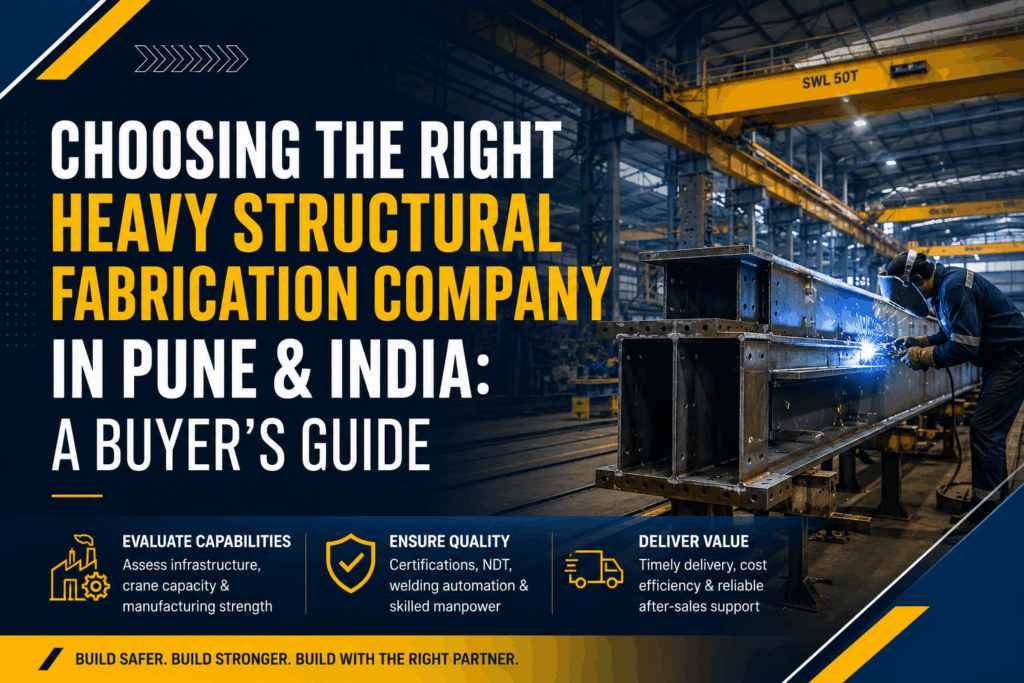
Choosing the Right Heavy Structural Fabrication Company in Pune & India: A Buyer’s Guide
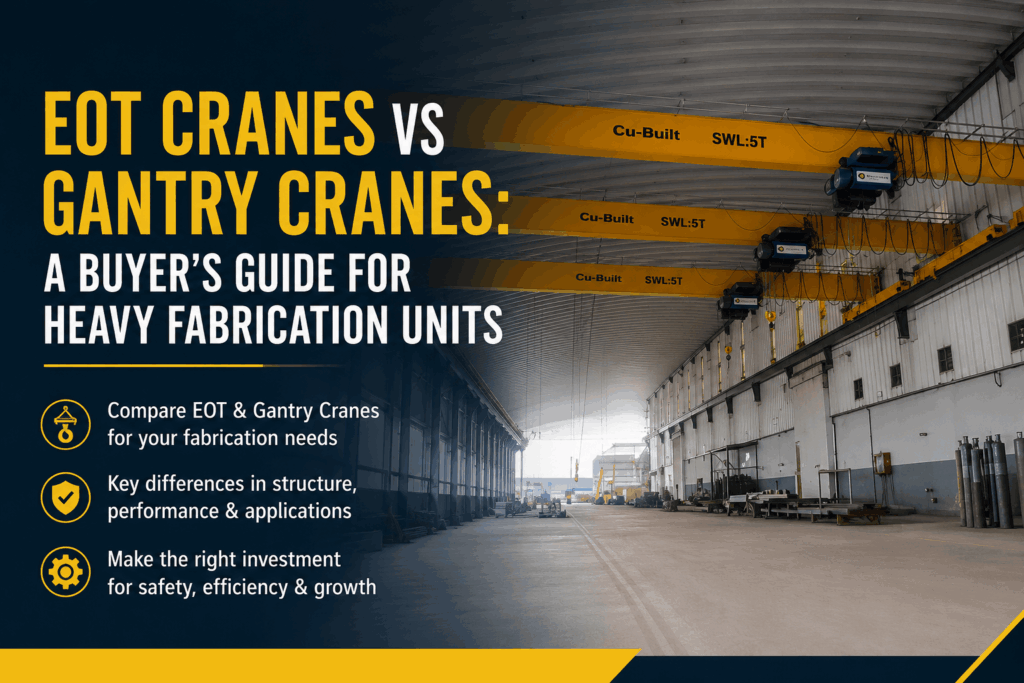
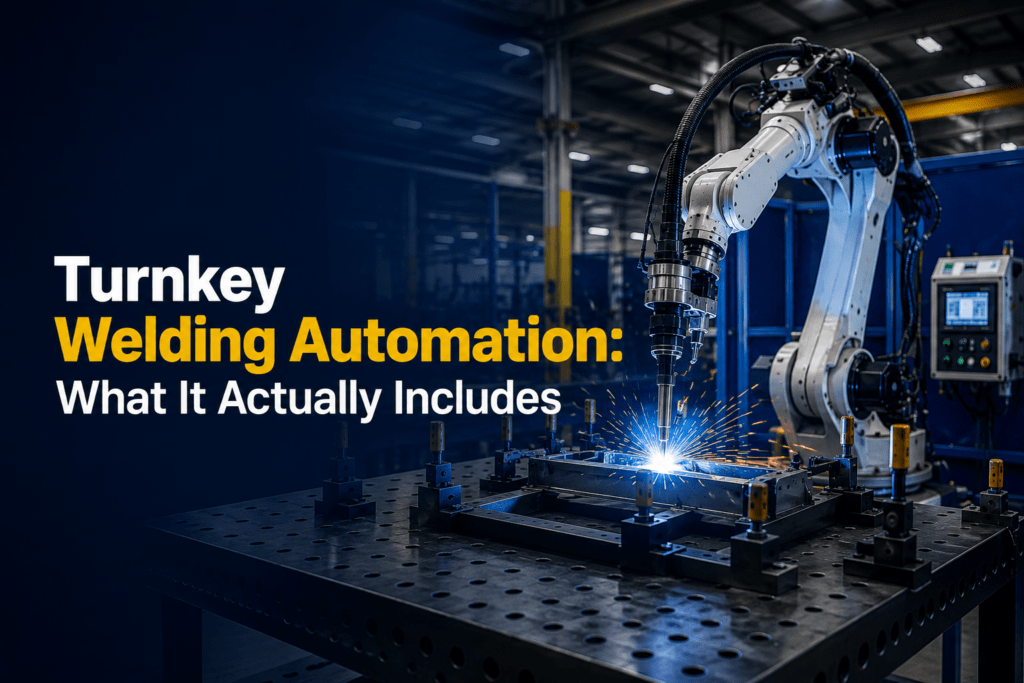
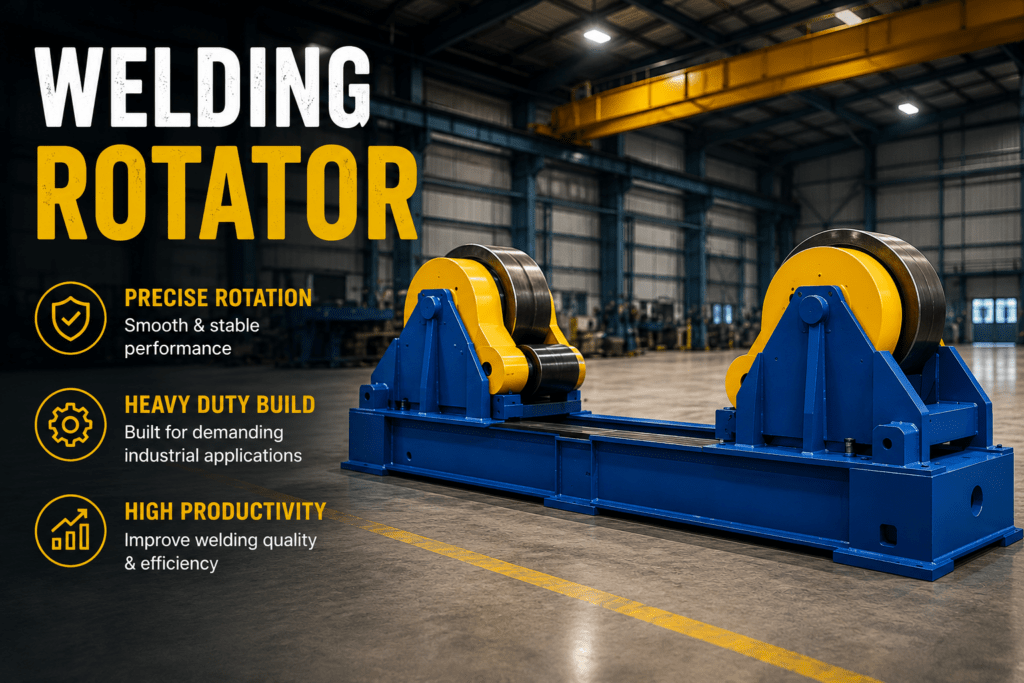
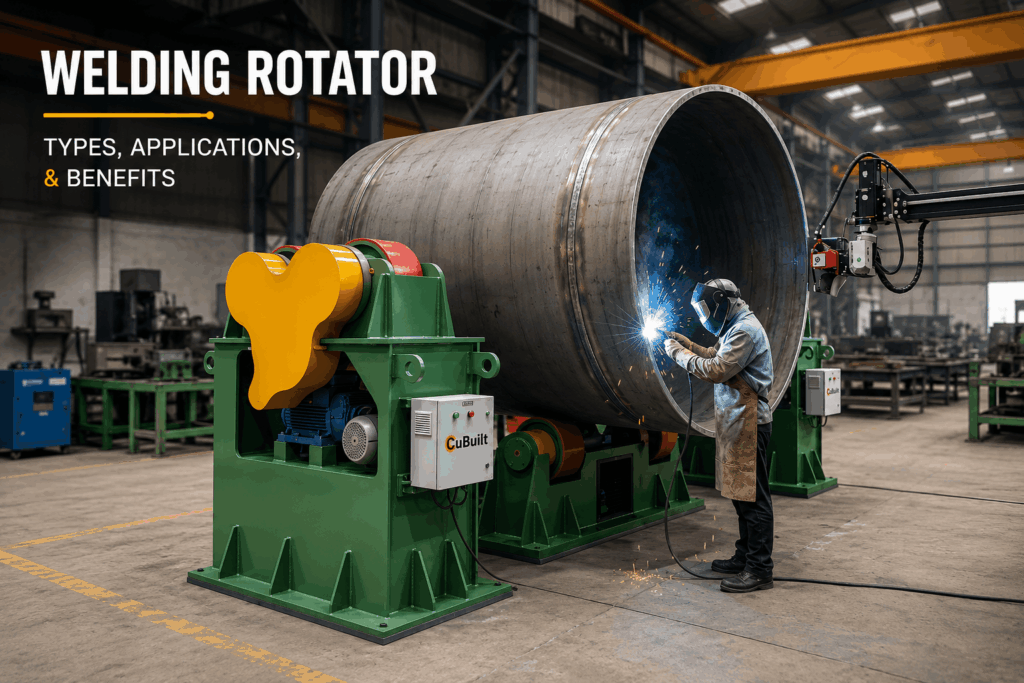
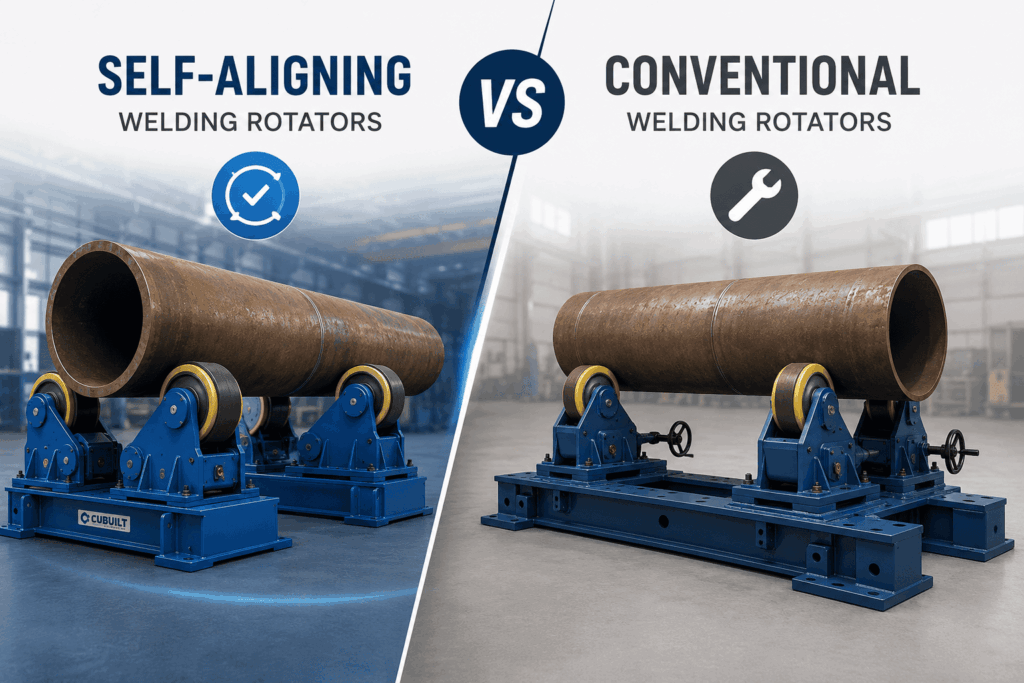
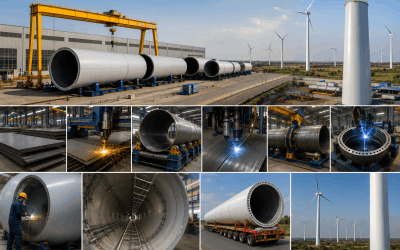
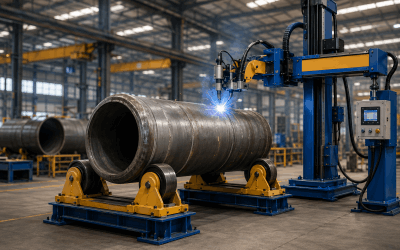
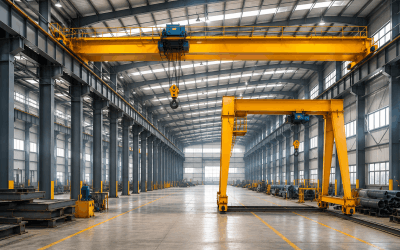
Selecting an industrial partner for large-scale engineering builds is one of the most critical decisions a project manager, procurement lead, or EPC contractor can make. The safety, operational efficiency, and structural integrity of multi-million-dollar infrastructure projects depend directly on the execution quality of your fabrication partner. When sourcing high-grade heavy structural fabrication services, navigating the marketplace requires a strategic approach. India’s manufacturing ecosystem is expanding rapidly, with major industrial corridors like Pune leading the way in engineering excellence. Partnering with an established fabrication company in Pune offers distinct operational advantages. The region provides access to world-class steel sourcing, highly skilled engineering talent, and well-connected transport logistics. However, not all heavy structural fabrication companies in India offer the same capabilities. Evaluating potential partners requires looking beyond initial cost quotes. Procurement teams must examine manufacturing infrastructure, non-destructive testing (NDT) certifications, automated welding systems, and verified past project performance. This buyer’s guide breaks down the essential criteria for auditing, selecting, and contracting top-tier heavy engineering companies in Pune and across India. Whether you are procuring structural frameworks for power plants, heavy crane girders, wind energy towers, or specialized factory buildings, this framework ensures your project is delivered safely, on schedule, and to exact technical specifications. Understanding the Scope of Modern Heavy Structural Fabrication Services To choose the right partner, you must first understand what sets high-capacity engineering facilities apart from basic sheet metal shops. High-end heavy structural fabrication services go far beyond cutting and joining steel plates. They encompass end-to-end engineering, starting with finite element analysis (FEA) and detail drafting, through automated cutting, precision fitting, heavy-duty submerged arc welding (SAW), stress relieving, and protective surface coating. Industrial infrastructure requires heavy-duty engineering capable of carrying immense static and dynamic loads. Modern fabrication projects typically demand specialized components, including: Executing these heavy components demands specialized shop-floor infrastructure. A leading facility must feature heavy-tonnage overhead cranes, automatic plate rollers, multi-axis CNC drilling lines, and motorized transfer trolleys. Without these specialized tools, maintaining precision over massive spans becomes impossible. Key Criteria for Evaluating Heavy Structural Fabrication Companies in India Evaluating industrial vendors requires a thorough technical audit. When evaluating candidate firms, procurement teams should structure their assessment around five core pillars: Audit Pillar Key Evaluation Metrics Why It Matters Shop Floor Infrastructure Cranage capacity (50T+), high-bay clear height, CNC cutting/drilling, blasting booths. Determines the maximum size and weight of structural modules that can be handled. Welding Automation Column & boom manipulators, tank turning rolls, automated SAW systems. Ensures high-penetration welds, minimal distortion, and fast project turnarounds. Quality Certifications ISO 9001:2015, ISO 3834-2, EN 1090, ASME certification stamps. Verifies that internal processes adhere to internationally recognized engineering standards. Workforce Expertise ASNT Level II/III NDT inspectors, certified welding inspectors (CWI/CSWIP). Guarantees rigorous quality assurance and reduces the risk of structural failure under stress. Supply Chain & Logistics Proximity to raw steel mills, major highways, ports, and inland container depots. Directly impacts material lead times, shipping costs, and oversized cargo logistics. 1. In-House Manufacturing Capabilities and Crane Capacity The primary constraint in heavy fabrication work is physical space and lifting capacity. A vendor claiming to offer heavy engineering solutions must have a facility designed for large assemblies. Verify that the plant has high-bay workshops with double-girder EOT cranes capable of tandem lifts. Check the floor load capacity to ensure it can support massive metal fabrications without settling or misalignment. 2. Adoption of Advanced Welding Automation Technology Manual stick welding is slow and subject to operator fatigue, which can introduce defects over long seams. Leading heavy engineering companies in Pune invest heavily in welding automation systems. Look for facilities equipped with heavy-duty column and boom manipulators, hydraulic fit-up rotators, and 3-axis positioners. Automated Submerged Arc Welding (SAW) and Flux-Cored Arc Welding (FCAW) deliver deep weld penetration and uniform beads. This automation is essential for meeting strict structural codes and avoiding costly rework during non-destructive testing (NDT). 3. Surface Preparation and Anti-Corrosion Treatment Facilities A heavy steel structure is only as durable as its protective coating. Environmental exposure can rapidly degrade structural steel components if the surface preparation is substandard. Ensure your chosen partner has dedicated grit/shot blasting booths that consistently achieve Sa 2.5 cleanliness standards. Additionally, check that they operate environmentally controlled paint booths capable of applying multi-coat epoxy, polyurethane, or passive fireproofing systems. Why Partnering with a Pune-Based Engineering Leader Offers Strategic Advantages Pune has established itself as one of India’s premier industrial manufacturing hubs. Situated in the PCNTDA and MIDC industrial belts (such as Bhosari and Chakan), a top-tier fabrication company in Pune offers distinct supply chain advantages: Learn more about regional industrial development and standards through the Ministry of Heavy Industries – Government of India and structural steel specifications via the Indian Institute of Welding. Quality Assurance Standards in the Heavy Fabrication Industry In high-stakes heavy engineering, quality control is not just a final checklist—it must be built into every step of production. Reliable metal fabrication companies run dedicated quality assurance (QA) and quality control (QC) programs. These programs cover every stage of production, from raw plate receipt to final site delivery. Essential Quality Control Milestones Meeting stringent industrial fabrication quality standards prevents structural failures and costly project delays. Working with a certified vendor protects your asset’s long-term performance and keeps your job site safe. Evaluating the Commercials: Total Cost of Ownership vs. Initial Bid While procurement teams often focus on the upfront per-kilogram fabrication rate, evaluating heavy structural fabrication services solely on initial price can be risky. Low bids can obscure hidden costs that emerge later during construction. When evaluating commercial bids, consider these long-term cost factors: Investing in a high-quality partner ensures smooth project execution and protects your bottom line. Partner with Cu-Built Engineers for High-Precision Heavy Fabrication When executing complex, mission-critical infrastructure projects, you need an engineering partner with a proven track record. Cu-Built Engineers Private Limited is an industry leader in heavy engineering, structural steel fabrication, and welding automation solutions. Headquartered in the MIDC Bhosari industrial hub in Pune, Cu-Built Engineers operates advanced