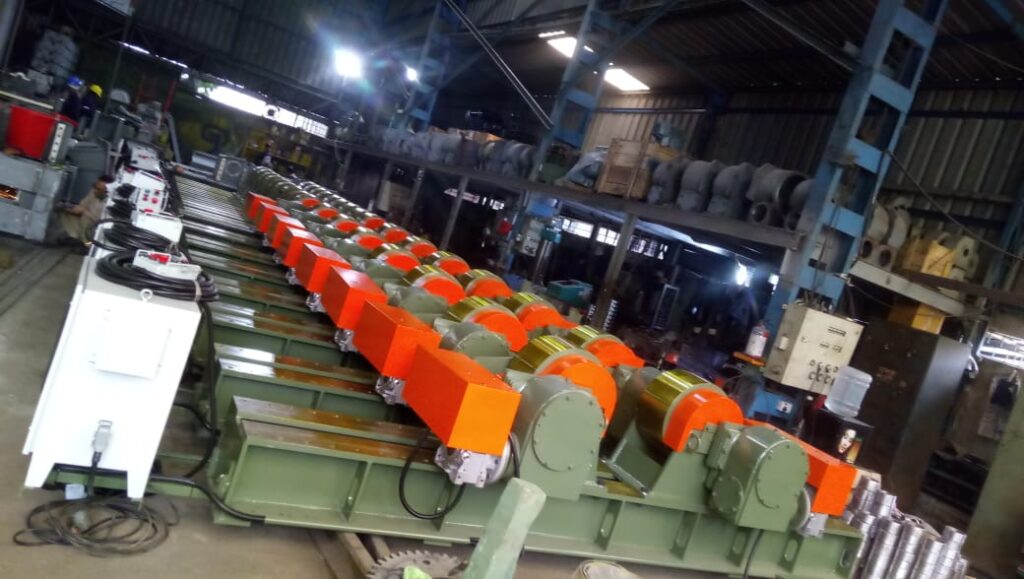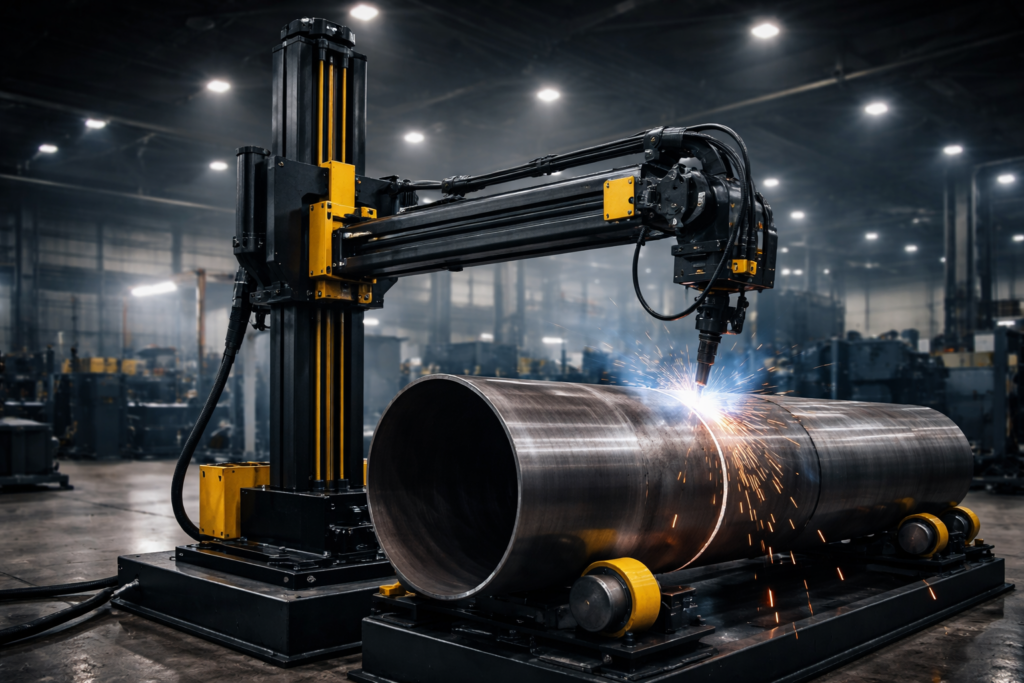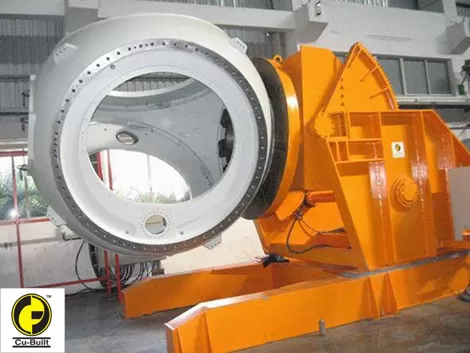
Selecting the ideal industrial lifting solution is one of the most critical infrastructure investments a heavy engineering facility can make. In production spaces where raw steel plates are transformed into massive structural elements, material handling equipment dictates the speed, safety, and profitability of the entire operation. Plant managers frequently find themselves comparing two primary lifting configurations: Electric Overhead Traveling (EOT) cranes and Gantry cranes.
Choosing the right setup requires navigating complex variables, such as facility design, workflow mechanics, and floor layout. As a premier EOT crane manufacturer, Cubuilt understands that selecting a system isn’t just about picking a crane; it’s about choosing an engineering asset that integrates perfectly with your day-to-day operations. Whether your shop specializes in heavy fabrication for the wind sector or produces heavy-duty structural steelwork, this comprehensive buyer’s guide breaks down the structural differences, application profiles, and financial trade-offs between EOT and Gantry systems.
Understanding the Core Concepts: EOT Cranes vs. Gantry Cranes
Before evaluating operational specifications, it is helpful to establish how these lifting systems function structurally within a heavy fabrication environment. While both serve the fundamental purpose of moving heavy materials along three axes (hook lift, cross travel, and long travel), their physical support structures are fundamentally distinct.
What is an EOT Crane?
An Electric Overhead Traveling crane, often called a bridge crane, features a horizontal bridge structure that travels along elevated runway tracks. These runways are permanently supported by the building’s main structural columns or by an independent overhead framework. The lifting hoist moves back and forth across this elevated bridge. Because the entire assembly operates high above the ground, it leaves the shop floor completely unobstructed.
What is a Gantry Crane?
A Gantry crane, also known as a Goliath crane, utilizes a similar horizontal bridge for the hoist, but the bridge is supported by freestanding vertical legs. These legs travel along ground-level tracks or wheels embedded directly into the factory floor. This structural configuration eliminates the need for elevated runway beams and massive building columns, transferring all structural loads directly to the floor or foundation.
Detailed Structural Blueprint Comparison
| Feature | EOT Cranes (Overhead Bridge) | Gantry Cranes (Goliath Systems) |
| Support Mechanism | Mounted on elevated rails fixed to building columns. | Self-supporting legs traveling on floor-level rails. |
| Floor Space Impact | Zero floor footprint; leaves aisles completely clear. | Requires dedicated floor space for ground rails and leg clearance. |
| Installation Flexibility | Difficult to relocate once installed inside a facility. | Modular setups can be dismantled and relocated relatively easily. |
| Indoor vs. Outdoor Use | Exclusively indoor or within dedicated covered structures. | Highly versatile; ideal for both indoor bays and outdoor yards. |
| Structural Loading | Transfers heavy dynamic stresses to the building superstructure. | Transmits dynamic and static loads directly down into the ground foundation. |
Deep Dive: EOT Cranes for Precision Fabrication Bays
For indoor fabrication facilities, an overhead crane for fabrication represents the traditional standard for high-efficiency lifting. EOT cranes are engineered to operate in environments where floor space is at a premium and high-speed, repetitive cycles are required.
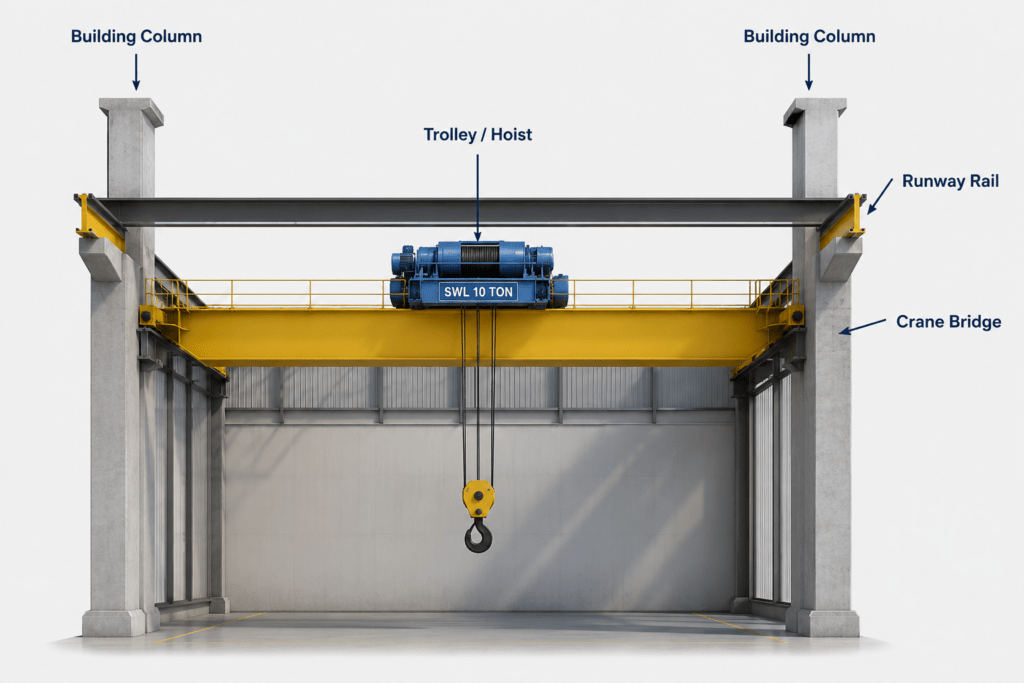
Single Girder vs. Double Girder EOT Systems
When partnering with a dedicated single girder EOT crane or double girder EOT crane manufacturer, you must first define your maximum load profile and structural span requirements:
- Single Girder EOT Cranes: These systems feature a single bridge beam, with the trolley hoist underslung from the bottom flange. They offer a highly cost-effective and lightweight solution for light to medium fabrication work, typically handling capacities up to 10–15 tons with moderate spans.
Cubuilt - Double Girder EOT Cranes: For facilities managing extreme weights, a double girder EOT crane is required. Featuring two parallel bridge beams with the hoist running on top rails, these configurations easily support loads exceeding 100 tons. They maximize lifting height because the hook can rise between the two girders, making them ideal for handling massive components.
Advantages of EOT Cranes in Heavy Fabrication
- Unobstructed Floor Space: By placing the runway rails high on the building columns, material handling equipment operates completely above the production zone. This leaves the floor entirely open for layout tables, welding stations, and heavy machinery, optimizing your internal workflow.
- Superior Precision and Speed: EOT cranes provide exceptionally smooth, stable movements. This high level of control is essential for delicate operations, such as positioning large sections for precise fit-up or aligning heavy plate work before automated welding.
Cubuilt - Enhanced Safety Profiles: Because the structural components are isolated from floor traffic, there is no risk of forklifts hitting the rails or workers tripping over ground tracks.
Deep Dive: Gantry Cranes for Large-Scale & Outdoor Assembly
While EOT cranes excel inside structural bays, a specialized gantry crane manufacturer offers distinct advantages for operations that require flexible layouts or outdoor storage. Gantry cranes are particularly valuable for heavy fabrication yards, shipping zones, and expansive assembly areas.
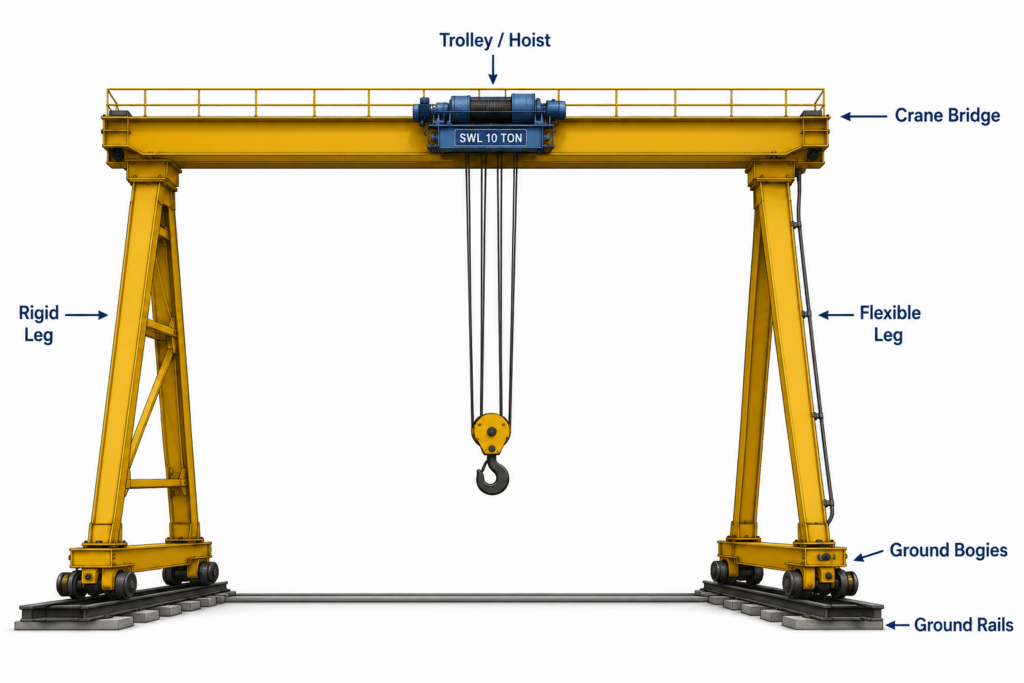
Gantry Variants: Full Gantry vs. Semi Goliath Configurations
Depending on your facility’s architectural layout, you can select from multiple structural variations:
- Full Gantry Cranes: These feature two full A-frame legs that travel along parallel floor rails, creating an independent lifting station that can operate completely outside of a traditional building structure.
- Semi Goliath Crane Systems: A semi goliath crane combines features of both designs. One side of the crane bridge runs on an elevated runway attached to a building column, while the opposite side is supported by a vertical leg traveling on a floor rail. This hybrid design is an excellent choice for adding a secondary, lower-level lifting tier underneath a primary EOT crane, optimizing workflow in multi-stage assembly bays.
Advantages of Gantry Cranes in Heavy Fabrication
- No Elevated Building Requirements: Gantry cranes eliminate the need for heavy overhead building columns designed to withstand massive lifting forces. This can dramatically lower initial facility construction costs.
- Outdoor Versatility: If your heavy fabrication processes extend into an outdoor yard—such as staging raw steel plates or storing finished structures—a gantry crane provides an ideal lifting solution.
- Exceptional Adaptive Capabilities: Gantry systems offer excellent flexibility. Because they rely on ground rails rather than a fixed building structure, extending the length of the crane’s runway simply requires extending the ground tracks.
Technical Evaluation Parameters for Buyers
Selecting the right crane system requires analyzing key technical parameters to ensure the equipment meets your facility’s long-term demands.
1. Crane Load Capacity & Structural Integrity
The primary metric to establish is the maximum weight the system will lift, known as the crane load capacity. In heavy fabrication, this requires assessing not just the weight of the completed products, but also the dynamic forces applied when flipping massive weldments or lifting asymmetrical assemblies. For light to medium duty cycles, a single girder system may suffice. However, heavy-duty processing requires a double girder setup built to withstand demanding CMAA Class D, E, or F duty cycles.
2. Facility Footprint and Crane Span Design
The physical layout of your production floor dictates your structural dimensions. The crane span design—the horizontal distance between the center lines of the runway rails—must be engineered to maximize hook coverage across your working zones. For EOT systems, this span is limited by the building’s width. For gantry systems, the span can extend across multiple outdoor storage tracks or wide assembly lines.
3. Structural Floor Loading vs. Overhead Superstructure Capacity
- Overhead Systems: You must verify that your factory’s building columns can safely support the combined weight of the runway beams, the crane itself, and the maximum rated load under full dynamic motion.
- Gantry Systems: The focus shifts entirely down to the factory floor. You will need to install a reinforced concrete foundation runway to prevent ground settling under the wheels of the crane bogies.
Application Profiles: Matching Your Fabrication Workflows
To illustrate these principles in action, let’s look at how choosing between an EOT and a Gantry crane impacts specific heavy industrial workflows.
Wind Energy Infrastructure & Heavy Sector Fabrication
Fabrication for the wind energy sector involves handling exceptionally large, thick steel plates that are rolled and welded into massive cylindrical tower sections. This challenging environment requires a well-planned combination of material handling systems and heavy industrial machinery.
During tower section fabrication, heavy plates must move efficiently from storage yards to a high-capacity plate rolling machine. Once rolled, these cylinders undergo precise tower flange welding and deep tower internals assembly to secure brackets, ladders, and electrical paths.
For the initial indoor steps—such as rolling, precise alignment, and internal component assembly—a high-precision double girder EOT crane provides the stable, smooth control needed to align sections accurately. However, once these massive tower sections are completed and moved outdoors to a staging yard, a high-capacity gantry crane becomes the ideal choice for loading the heavy components onto transport trailers.
General Heavy Machinery & Structural Steel Fabrication
For traditional heavy engineering shops fabricating long structural steel beams, large industrial columns, and complex trusses, space utilization is key. An indoor EOT crane serves as the primary tool for moving long steel profiles between cutting, fit-up, and blast booths. By integrating a semi goliath crane underneath the main overhead system, facilities can handle localized lifting tasks at individual workstations without occupying main aisle space or waiting for the primary crane to become available.
Financial Analysis: Initial Capital vs. Total Cost of Ownership
When reviewing proposals from an industrial crane supplier India, it is important to evaluate both immediate upfront costs and long-term operating expenses.
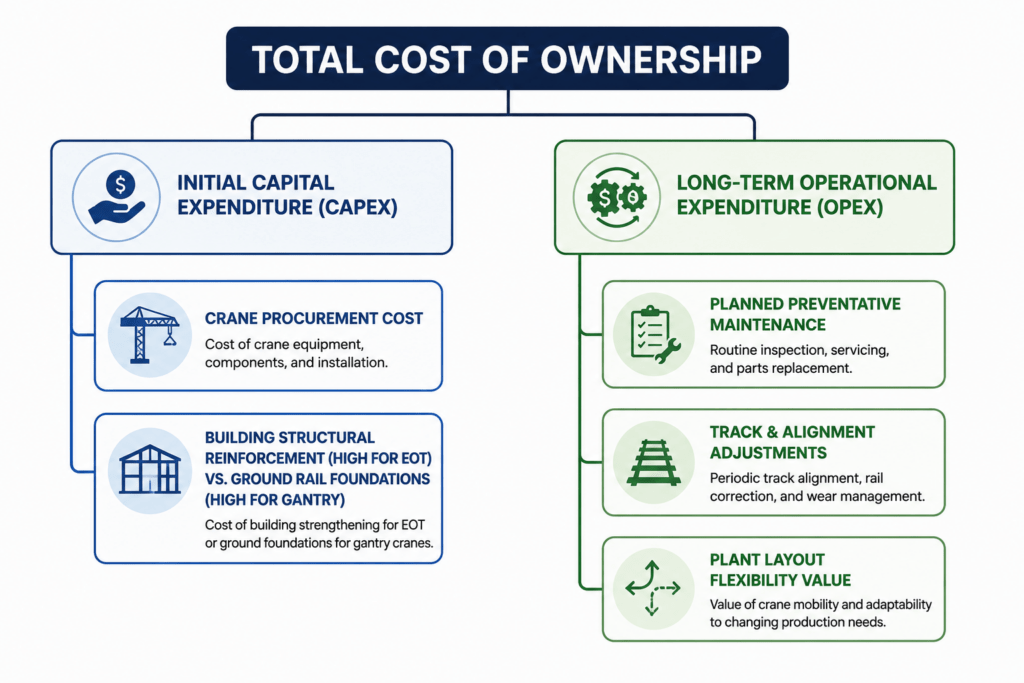
Initial Capital Expenditures (CapEx)
- EOT Crane CapEx: The crane itself is often competitively priced, but the total installation cost can rise significantly if the building structure requires reinforcement to handle overhead dynamic loads.
- Gantry Crane CapEx: Ground-level systems eliminate building reinforcement costs, but require investment in properly engineered concrete foundation strips to support the ground rails.
Long-Term Operational Expenditures (OpEx)
- Maintenance Requirements: A workshop crane installation requires regular preventative maintenance to ensure long-term safety. EOT cranes keep all tracking components elevated away from floor dust and debris, which often leads to lower wheel wear. Gantry cranes require regular floor rail inspections to clear out dirt and debris that can accumulate during day-to-day operations.
- Facility Adaptability: Gantry cranes offer clear advantages if your production layout changes over time. If you move to a new factory building, a gantry crane can be dismantled and relocated with minimal structural loss. Moving an EOT crane, by contrast, requires finding a new facility with matching runway rail dimensions and structural load capacities.
Step-by-Step Buyer’s Decision Checklist
When deciding on the right lifting system for your facility, use this step-by-step checklist to guide your evaluation:
- Assess the Operating Environment: Will the lifting equipment operate inside a factory bay, in an outdoor yard, or transition between both zones?
- Review Structural Capacity: Can your existing building columns safely handle overhead dynamic loads, or would a self-supporting floor foundation be more practical?
- Analyze Floor Space Requirements: Can your workflow accommodate floor-level rails, or does your production layout require completely unobstructed aisles?
- Determine Load Profiles & Dimensions: What is your maximum crane load capacity and required crane span design? Do your components require a double girder system for maximum hook height?
- Evaluate Layout Flexibility: Do you anticipate changing your factory layout or relocating your machinery in the next five to ten years?
Driving Productivity: Partner with an Industrial Leader
Investing in industrial lifting equipment requires careful planning, robust engineering, and high-quality manufacturing. As a leading EOT crane manufacturer and full-service automation provider, Cubuilt is dedicated to delivering durable, efficient, and precise material handling systems tailored to your operation’s specific demands.
We design and build a comprehensive range of industrial lifting systems—from high-capacity double girder EOT cranes for heavy fabrication bays to versatile gantry crane manufacturer options and semi goliath crane systems for multi-tiered assembly lines. Our engineering team works closely with you through every stage of the process, including customized structural design, precise manufacturing, comprehensive site testing, and complete workshop crane installation. We ensure your lifting systems operate safely, reliably, and efficiently for years to come.
Boost your facility’s efficiency, improve workplace safety, and streamline your material handling workflows. Contact the engineering experts at Cubuilt today to discuss your project requirements and receive a comprehensive, tailored technical proposal for your next lifting system.
Frequently Asked Questions
1.What is the primary operational difference between an EOT crane and a Gantry crane?
The main difference lies in the support structure. An EOT (Electric Overhead Traveling) crane runs on elevated rails attached directly to the building’s structural columns, leaving the workshop floor completely unobstructed. A gantry crane is a self-supporting system with vertical legs that travel along rails embedded directly into the factory floor.
2.Can a single girder EOT crane be used for heavy fabrication work?
Yes, single girder systems are highly effective for light to medium fabrication tasks, typically supporting weights up to 15 tons. However, for handling very heavy structures, thick steel plates, or large weldments, a double girder EOT crane is generally recommended due to its higher capacity, wider spans, and increased hook height.
3.Why should a heavy fabrication facility consider a semi goliath crane?
A semi goliath crane is a versatile hybrid system where one side runs on an elevated runway rail and the other travels on a ground track. This configuration is ideal for installation underneath a larger, primary EOT crane, providing dedicated lifting support for individual workstations without interrupting main overhead lifting operations.
4.How does material handling equipment impact heavy fabrication for the wind sector?
Fabricating wind tower components requires moving exceptionally large, heavy steel sections through specialized processes, including plate rolling, flange welding, and internal component assembly. Reliable heavy lifting equipment ensures these massive structural elements move safely and precisely between automated production machinery, reducing downtime and protecting workers.
5.What maintenance is required for ground-level gantry crane installations?
Because gantry cranes run on tracks embedded in the workshop floor or outdoor yard, regular maintenance requires keeping the ground rails completely clean and free of dirt, welding slag, and debris. Regular inspections of the wheel bogies, travel motors, and structural leg welds are also essential to ensure safe operation.