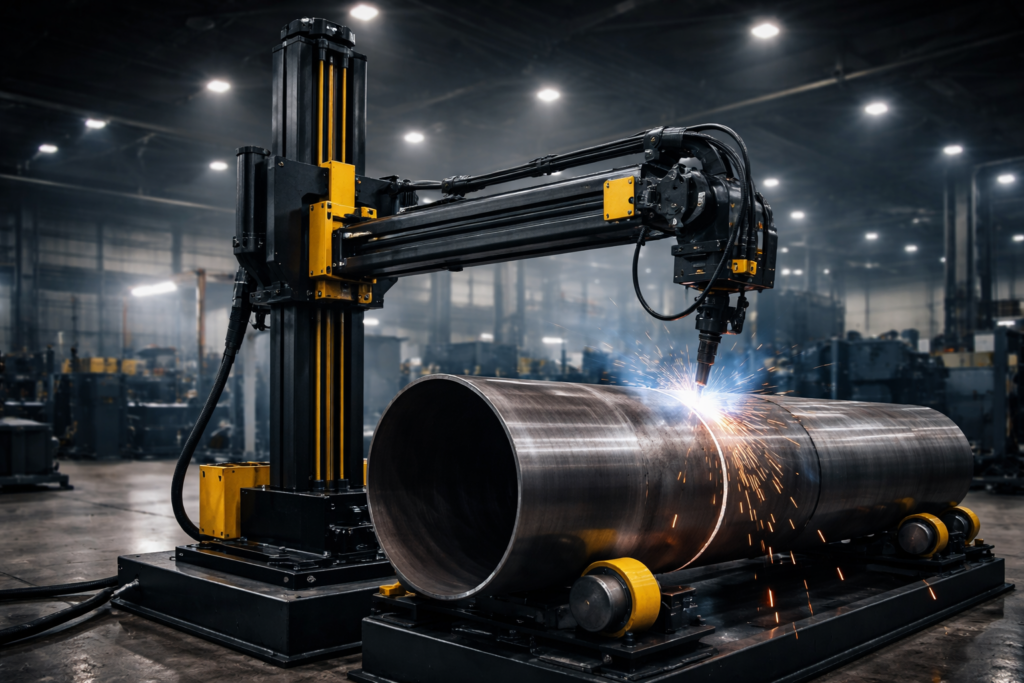
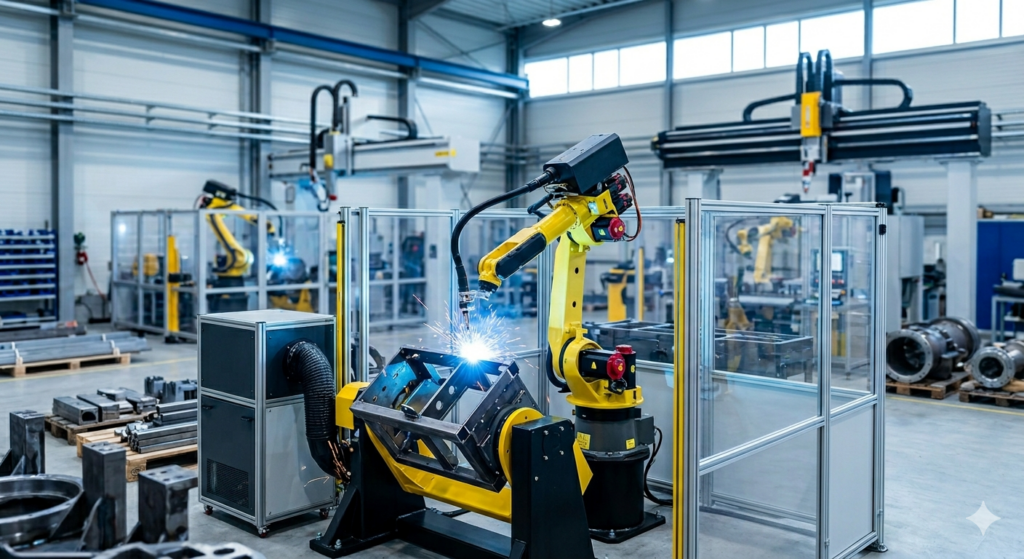
Top Welding Automation Trends in India for 2026: The Future of Manufacturing
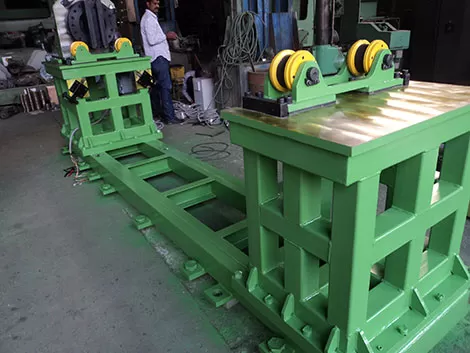
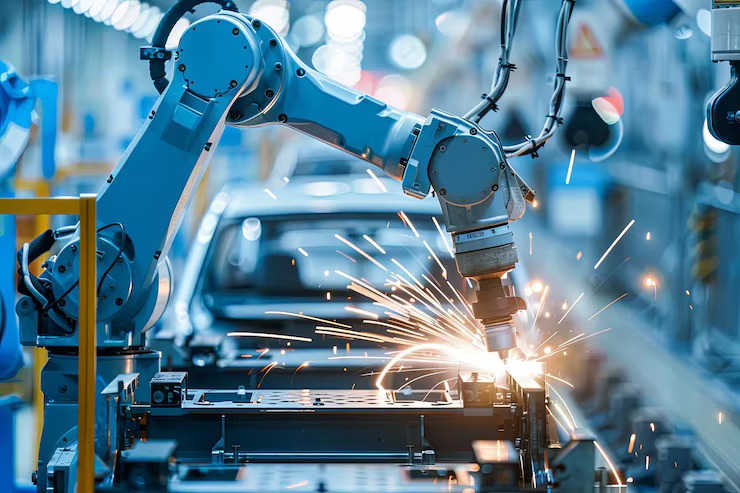
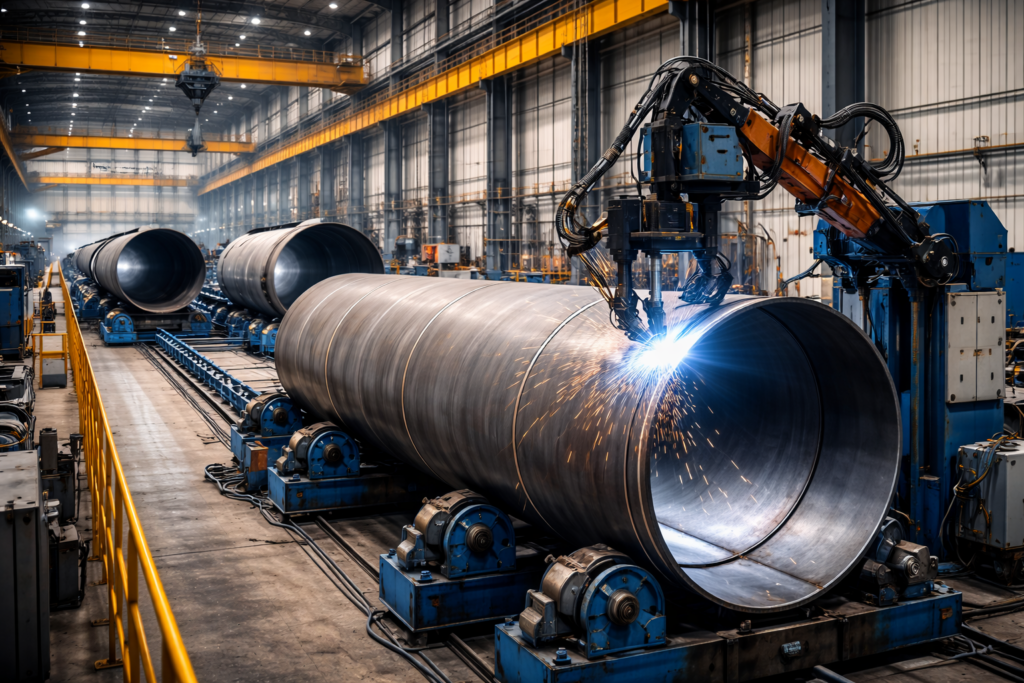
The Indian manufacturing sector is currently undergoing a seismic shift. As we move deeper into the decade, the integration of advanced technology into traditional workflows is no longer a luxury—it is a necessity for survival. For fabrication shops and heavy industries, staying updated on the Top Welding Automation Trends in India for 2026 is the key to maintaining a competitive edge in a global market. With the “Make in India” initiative reaching new heights, the demand for precision, speed, and cost-effectiveness has made manual welding a bottleneck of the past. At Cubuilt, we have witnessed firsthand how automation transforms production lines from labor-intensive hubs into streamlined, high-output powerhouses. Whether you are in automotive, aerospace, or structural engineering, understanding these trends will help you navigate the complexities of modern industrial requirements. 1. The Rise of Collaborative Robots (Cobots) in Welding One of the most significant Top Welding Automation Trends in India for 2026 is the widespread adoption of Collaborative Robots, or “Cobots.” Unlike traditional industrial robots that require massive safety cages and specialized programming, Cobots work alongside human operators. In the Indian context, where skilled welders are increasingly difficult to find, Cobots fill the gap by handling repetitive, high-volume tasks. These machines are designed with sensitive sensors that allow them to stop instantly if they contact a human, ensuring a safe hybrid workspace. Key Benefits of Cobots: 2. Artificial Intelligence and Machine Learning Integration AI is no longer just for software companies. By 2026, AI-driven welding systems will be standard in high-end Indian manufacturing. These systems use machine learning algorithms to analyze weld data in real-time, adjusting parameters like voltage, wire feed speed, and travel speed on the fly to compensate for irregularities in the workpiece. This trend focuses on “First Time Right” manufacturing. By predicting potential defects before they happen, companies can significantly reduce scrap rates and rework costs. 3. Advanced Laser Welding Systems While MIG and TIG remain staples, Fiber Laser Welding is set to dominate the Top Welding Automation Trends in India for 2026. Laser welding offers unparalleled speed and a much smaller Heat Affected Zone (HAZ), which is critical when working with thin materials or exotic alloys. India’s push toward Electric Vehicle (EV) manufacturing is a primary driver for this. The delicate nature of battery packs and lightweight aluminum frames requires the precision that only automated laser systems can provide. You can explore our range of specialized welding SPM to see how laser integration is changing the game. 4. Industry 4.0 and IoT-Enabled Welding Power Sources The concept of the “Smart Factory” is becoming a reality in industrial hubs like Pune, Chennai, and Gurgaon. In 2026, welding power sources are no longer isolated machines; they are IoT (Internet of Things) nodes. What does IoT in welding look like? 5. Adoption of Multi-Process Automated Cells Flexibility is the theme for 2026. Instead of having a single machine for a single task, Indian manufacturers are investing in Multi-Process Automated Welding Cells. These cells can switch between MIG, TIG, and Plasma cutting within the same footprint. This trend is particularly relevant for job shops that handle diverse contracts. By using modular welding rotators and positioners, a single cell can handle everything from small pipe joints to massive pressure vessels. 6. Green Welding: Sustainability in Automation Environmental regulations in India are tightening. Sustainability is a core pillar of the Top Welding Automation Trends in India for 2026. Automated systems are significantly more energy-efficient than manual setups. They produce less fume, use consumables more effectively, and reduce the overall carbon footprint of the plant. High-efficiency inverter-based power sources integrated with robotic arms ensure that power is only consumed during the actual arc-on time, leading to massive savings on utility bills. 7. Enhanced Virtual Reality (VR) Training for Operators As automation grows, the role of the human operator shifts from “welder” to “robot technician.” To bridge the skill gap, VR-based training has become an essential trend. It allows new workers to practice on automated interfaces in a risk-free environment, saving on material costs during the learning phase. To truly grasp the Top Welding Automation Trends in India for 2026, one must look at the broader scope of Industrial Robotics and Smart Manufacturing. In India, the Robotic Welding Market is expected to grow by double digits, driven by the need for Precision Engineering and Automated Quality Control. Companies are no longer just buying a machine; they are investing in Digital Transformation of their shop floors. This involves Welding Data Analytics and the implementation of Cloud-based Fabrication Management. Why Choose Cubuilt for Your Automation Journey? Transitioning to automation can be daunting. At Cubuilt, we specialize in providing end-to-end solutions tailored to the unique challenges of the Indian industrial landscape. From Column and Boom setups for heavy fabrication to intricate robotic cells, our engineering team ensures that your investment yields the highest ROI. We don’t just sell machines; we build partnerships. Our systems are designed to be future-proof, ensuring that as the Top Welding Automation Trends in India for 2026 evolve, your facility remains at the cutting edge of technology. Boost Your Production with Cubuilt’s Expert Solutions Are you ready to revolutionize your manufacturing process? Don’t let outdated manual processes hold your business back. Whether you need to increase your throughput, improve weld quality, or solve labor shortage issues, Cubuilt has the expertise to guide you. Contact our automation experts today for a free plant assessment and custom quotation! Frequently Asked Questions (Q&A) Q1: What is the biggest advantage of robotic welding for Indian SMEs? The biggest advantage is consistency. Unlike manual welding, which is subject to human fatigue, a robot performs the same high-quality weld every single time, 24/7. This reduces waste and ensures your products meet international standards like those set by the American Welding Society (AWS). Q2: Is welding automation too expensive for small-scale industries? While the initial investment is higher, the ROI is usually achieved within 12 to 24 months through increased speed, reduced rework, and lower consumable waste. 2026 models